
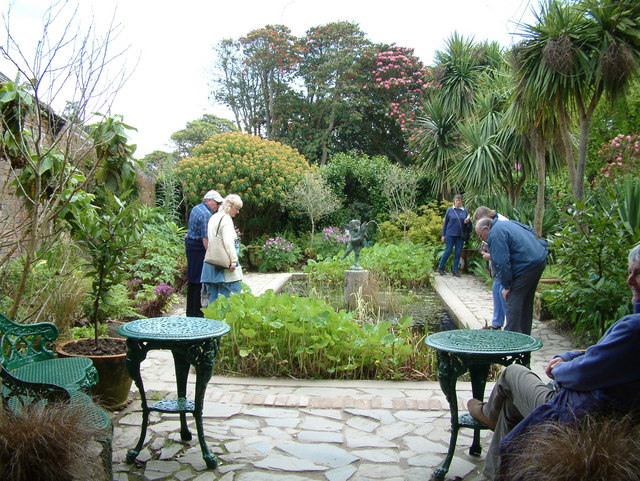
The Lost Gardens of Heligan (Cornish: Lowarth Helygen, meaning "willow tree garden") is a botanical garden located near Mevagissey in Cornwall, UK. The gardens are considered to be amongst the most popular in the UK. The gardens are typical of the 19th century Gardenesque style with areas of different character and in different design styles.
The gardens were created by members of the Cornish Tremayne family from the mid-18th century to the beginning of the 20th century, and still form part of the family's Heligan estate. The gardens were neglected after the First World War and restored only in the 1990s, a restoration that was the subject of several popular television programmes and books.
The gardens include aged and colossal rhododendrons and camellias, a series of lakes fed by a ram pump over 100 years old, highly productive flower and vegetable gardens, an Italian garden, and a wild area filled...Подробнее
The Lost Gardens of Heligan (Cornish: Lowarth Helygen, meaning "willow tree garden") is a botanical garden located near Mevagissey in Cornwall, UK. The gardens are considered to be amongst the most popular in the UK. The gardens are typical of the 19th century Gardenesque style with areas of different character and in different design styles.
The gardens were created by members of the Cornish Tremayne family from the mid-18th century to the beginning of the 20th century, and still form part of the family's Heligan estate. The gardens were neglected after the First World War and restored only in the 1990s, a restoration that was the subject of several popular television programmes and books.
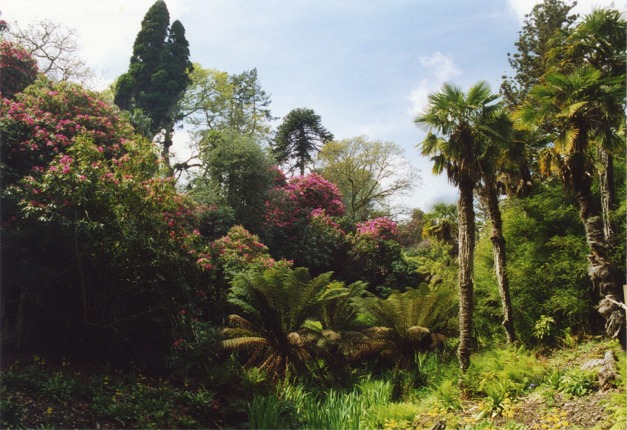
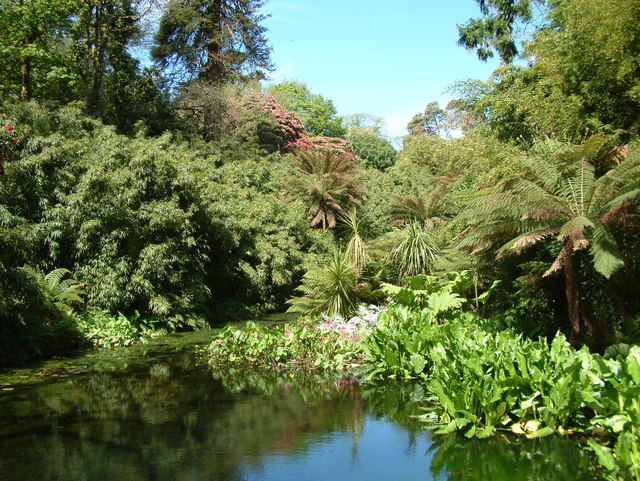
The gardens include aged and colossal rhododendrons and camellias, a series of lakes fed by a ram pump over 100 years old, highly productive flower and vegetable gardens, an Italian garden, and a wild area filled with subtropical tree ferns called "The Jungle". The gardens also have Europe's only remaining pineapple pit, warmed by rotting manure, and two figures made from rocks and plants known as the Mud Maid and the Giant's Head.
The place name, properly pronounced 'h'LIG'n', and not the commonly heard 'HEL-i-gun', is derived from the Cornish word helygen, "willow tree".


![[node:title]](/sites/default/files/styles/640x320/public/default_images/default_0.JPG.webp?itok=aqV9zhFR)








Добавить комментарий