
Médanos de Samalayuca
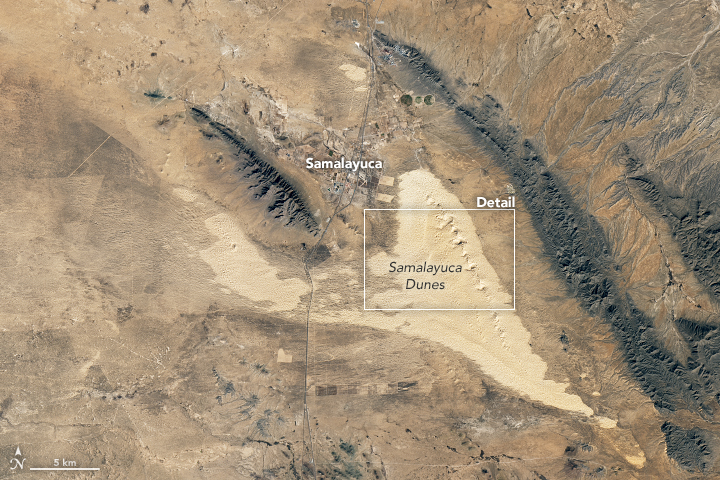
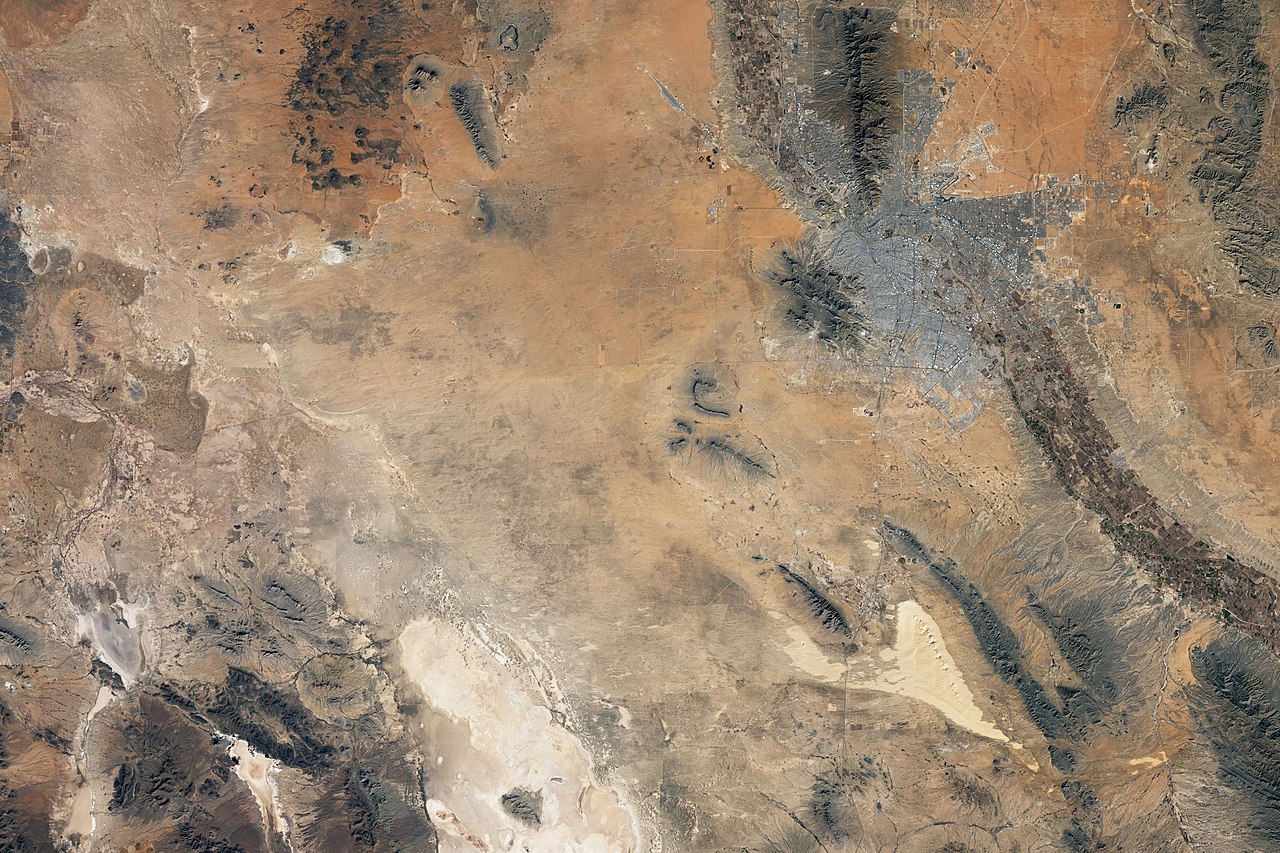
( Samalayuca Dune Fields )The Samalayuca Dune Fields, more traditionally known as Los Médanos (the dunes), or more recently referenced as Médanos de Samalayuca, are a series of large but separated fields of sand dunes located in the northern part of the Mexican state of Chihuahua. The dune fields are scattered over a wide expanse of desert to the south, southwest and southeast of Ciudad Juárez. The dune fields are located in a 2000 km2 area known as the Samalayuca Desert.
The Samalayuca Desert and its dune fields are part of the much larger Chihuahua Desert region.
The best known portion of the Samalayuca Dune Fields lie in and around the village of Samalayuca. These dune fields lay across the much traveled north–south route between Chihuahua City and "The Pass of the North" at the site of the border cities of Ciudad Juárez and El Paso. Before the era of the modern highway and railroad, travel by foot, horse or oxen across this extended barrier of some 30 kilomet...Read more
The Samalayuca Dune Fields, more traditionally known as Los Médanos (the dunes), or more recently referenced as Médanos de Samalayuca, are a series of large but separated fields of sand dunes located in the northern part of the Mexican state of Chihuahua. The dune fields are scattered over a wide expanse of desert to the south, southwest and southeast of Ciudad Juárez. The dune fields are located in a 2000 km2 area known as the Samalayuca Desert.
The Samalayuca Desert and its dune fields are part of the much larger Chihuahua Desert region.
The best known portion of the Samalayuca Dune Fields lie in and around the village of Samalayuca. These dune fields lay across the much traveled north–south route between Chihuahua City and "The Pass of the North" at the site of the border cities of Ciudad Juárez and El Paso. Before the era of the modern highway and railroad, travel by foot, horse or oxen across this extended barrier of some 30 kilometers of loose sand was laborious and dangerous, but travelers had the option of a longer (and thus more time-consuming) detour around the east side of the dune fields. This portion of the dunes is also the most dramatic, having high dune profiles shaped by the wind in the lee of Cerro de Samalayuca.
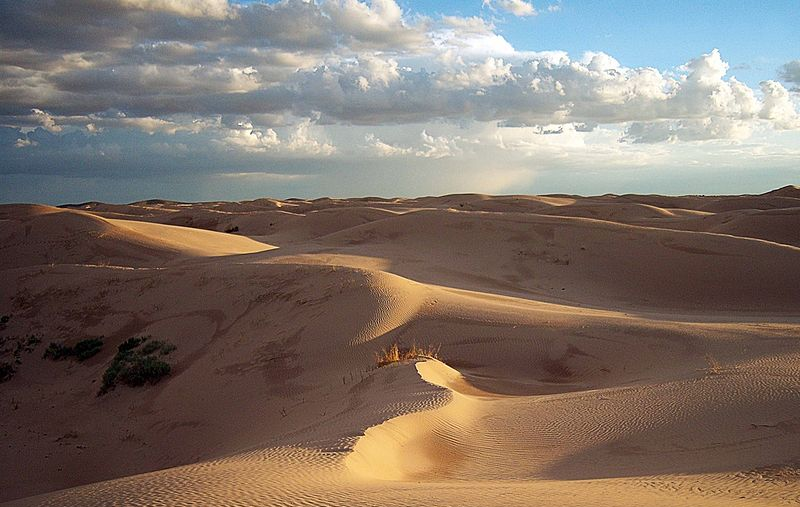
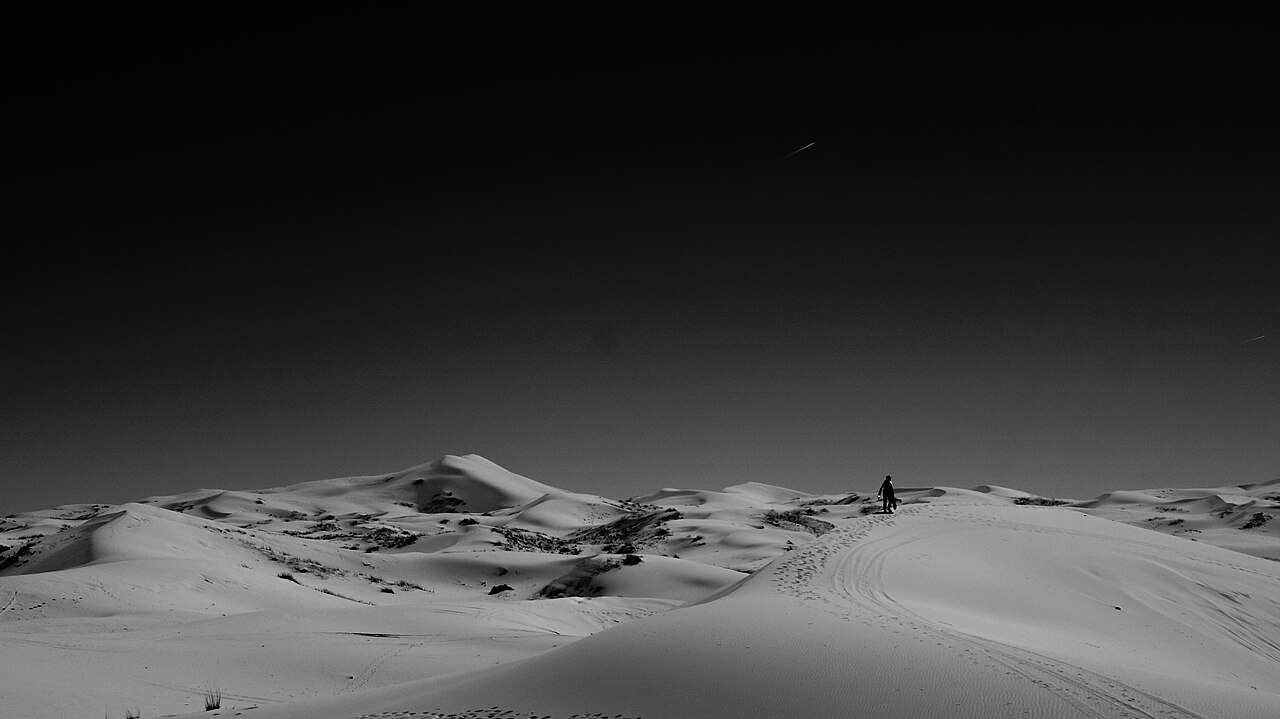
The dunes are composed of almost pure quartz sand that is white to tan in appearance and formed by Aeolian deposition.
Today the dune fields are becoming known for their tourist and recreational potential, and as a habitat for the many unique endemic species of plants and animals living in a rare ecosystem in the Samalayuca desert. The high silica content of the sands has also attracted industrial interest.









Add new comment