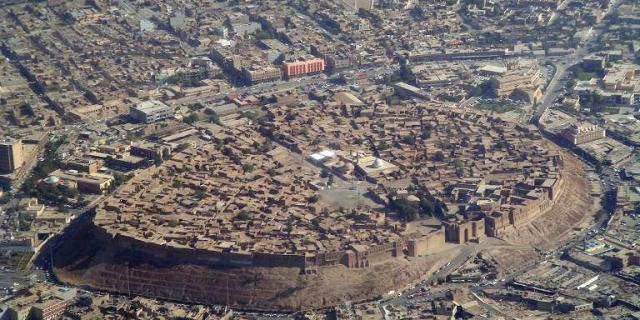

Kurdistan
Context of Kurdistan
Kurdistan (Kurdish: کوردستان, romanized: Kurdistan, lit. 'land of the Kurds'; [ˌkʊɾdɪˈstɑːn] ), or Greater Kurdistan, is a roughly defined geo-cultural region in West Asia wherein the Kurds form a prominent majority population and the Kurdish culture, languages, and national identity have historically been based. Geographically, Kurdistan roughly encompasses the northwestern Zagros and the eastern Taurus mountain ranges.
Kurdistan generally comprises the following four regions: southeastern Turkey (Northern Kurdistan), northern Iraq (Southern Kurdistan), northwestern Iran (Eastern Kurdistan), and northern Syria (Western Kurdistan). Some definitions als...Read more
Kurdistan (Kurdish: کوردستان, romanized: Kurdistan, lit. 'land of the Kurds'; [ˌkʊɾdɪˈstɑːn] ), or Greater Kurdistan, is a roughly defined geo-cultural region in West Asia wherein the Kurds form a prominent majority population and the Kurdish culture, languages, and national identity have historically been based. Geographically, Kurdistan roughly encompasses the northwestern Zagros and the eastern Taurus mountain ranges.
Kurdistan generally comprises the following four regions: southeastern Turkey (Northern Kurdistan), northern Iraq (Southern Kurdistan), northwestern Iran (Eastern Kurdistan), and northern Syria (Western Kurdistan). Some definitions also include parts of southern Transcaucasia. Certain Kurdish nationalist organizations seek to create an independent nation state consisting of some or all of these areas with a Kurdish majority, while others campaign for greater autonomy within the existing national boundaries. The delineation of the region remains disputed and varied, with some maps greatly exaggerating its boundaries.
Historically, the word "Kurdistan" is first attested in 11th century Seljuk chronicles. Many disparate Kurdish dynasties, emirates, principalities, and chiefdoms were established from the 8th to 19th centuries. Administratively, the 20th century saw the establishment of the short-lived areas of the Kurdish state (1918–1919), Kingdom of Kurdistan (1921–1924), Kurdistansky Uyezd i.e. "Red Kurdistan" (1923–1929), Republic of Ararat (1927–1930), and Republic of Mahabad (1946).
In Iraq, following the Aylūl Revolt, the government entered into an agreement with the rebellious Kurds, granting Kurds local self-rule. Soon after, however, the agreement collapsed. Later, during the Iraqi no-fly zones conflict, which followed the Gulf War, the Iraqi military withdrew from parts of northern Iraq, allowing the Kurds to fill the vacuum and regain lost control in those areas. After the invasion of Iraq, and since the creation of the new Iraqi federal state, the new constitution issued in 2005 recognises Kurdistan Region as a federal region; even though the constitution does not include the term “autonomy”, it emphasises decentralisation and devolution, allowing regions and governorates to administer local affairs. In practice, however, only Kurdistan Region has exercised this authority granted by the constitution. In September 2017, Iraqi Kurds held a one-sided independence referendum, which eventually failed and was abandoned. The subsequent effort by the Iraqi government to punish Kurdistan Region has resulted in the latter losing authorities it had previously possessed, and the future of Kurdish autonomy in Iraq has been called into question. Iraqi Kurdish officials have also complained of efforts by the Iraqi government to return to the pre-2003 centralized government and dismantle Kurdistan Region altogether.
There is also a Kurdistan Province in Iran, which is not self-ruled. Kurds fighting in the Syrian civil war were able to take control of large sections of northern Syria and establish self-governing regions in an Autonomous Administration of North and East Syria (commonly called Rojava), where they seek autonomy in a federal Syria after the war.
More about Kurdistan
- Native name Kurdistan
- Population 28000000
- Area 440000
- Stay safe
Much of the region is prone to ethnic strife, political conflict or is a war zone: do your research well before attempting any visit.





![[node:title]](/sites/default/files/styles/640x320/public/default_images/default_0.JPG.webp?itok=aqV9zhFR)


![[node:title]](/sites/default/files/styles/640x320/public/pla/images/2021-03/Monasterio_Khor_Virap%2C_Armenia%2C_2016-10-01%2C_DD_25.jpeg.webp?itok=DcYy6E07)