
جبل القلعة
( Amman Citadel )
The Amman Citadel (Arabic: القلعة, romanized: al-Qal'a, lit. 'the Fortress') on Citadel Hill (Arabic: جبل القلعة, romanized: Jabal al-Qal'a, lit. 'Fortress Mount') is an archaeological site on an L-shaped hill towering over Downtown Amman, in the central part of the capital of Jordan.
The Amman Citadel is considered to be among the world's oldest continuously inhabited places. Evidence of inhabitance since the Neolithic period has been found and the hill was fortified during the Bronze Age (1800 BCE). The hill became the capital of the Kingdom of Ammon, sometime after 1200 BCE. It later came under the sway of major powers such as the Assyrian, Babylonian, Ptolemai...Read more
The Amman Citadel (Arabic: القلعة, romanized: al-Qal'a, lit. 'the Fortress') on Citadel Hill (Arabic: جبل القلعة, romanized: Jabal al-Qal'a, lit. 'Fortress Mount') is an archaeological site on an L-shaped hill towering over Downtown Amman, in the central part of the capital of Jordan.
The Amman Citadel is considered to be among the world's oldest continuously inhabited places. Evidence of inhabitance since the Neolithic period has been found and the hill was fortified during the Bronze Age (1800 BCE). The hill became the capital of the Kingdom of Ammon, sometime after 1200 BCE. It later came under the sway of major powers such as the Assyrian, Babylonian, Ptolemaic, Seleucid, Roman, Byzantine, and Umayyad empires. During classical antiquity the city expanded far beyond Citadel Hill, which was given the role of an acropolis. After the Umayyads came a period of decline and for much of the following millennium, the former city became an abandoned pile of ruins only sporadically used by Bedouins and seasonal farmers; this hiatus came to an end in 1878, when the Ottoman Empire resettled there displaced Circassian refugees.
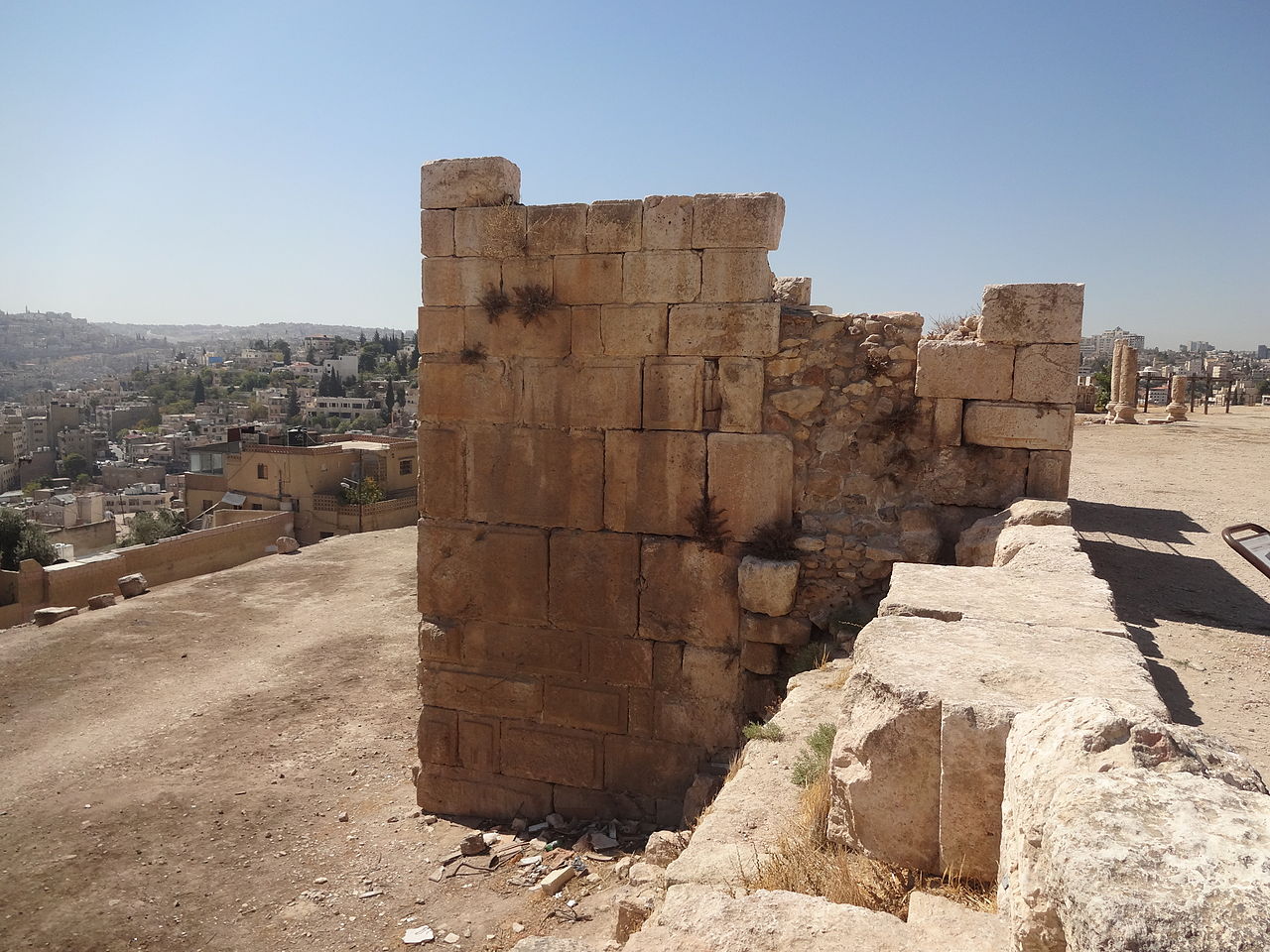
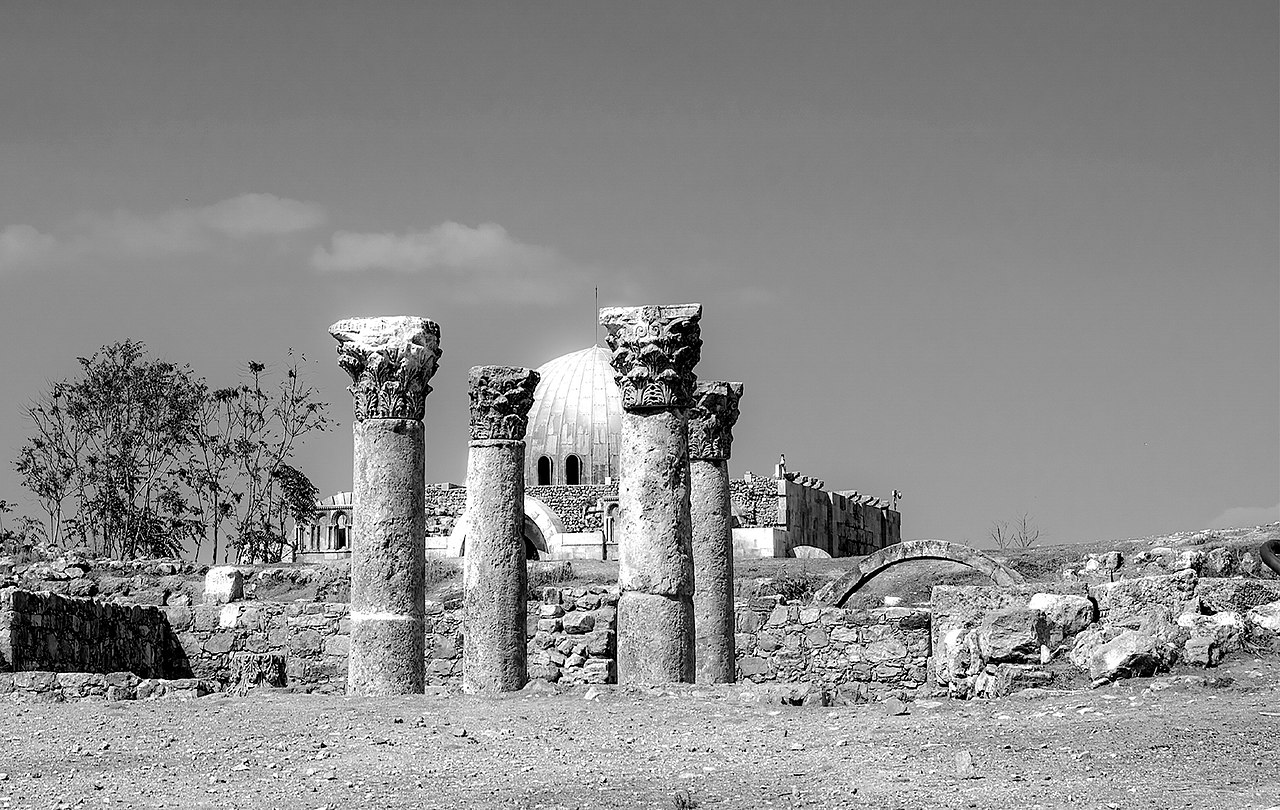
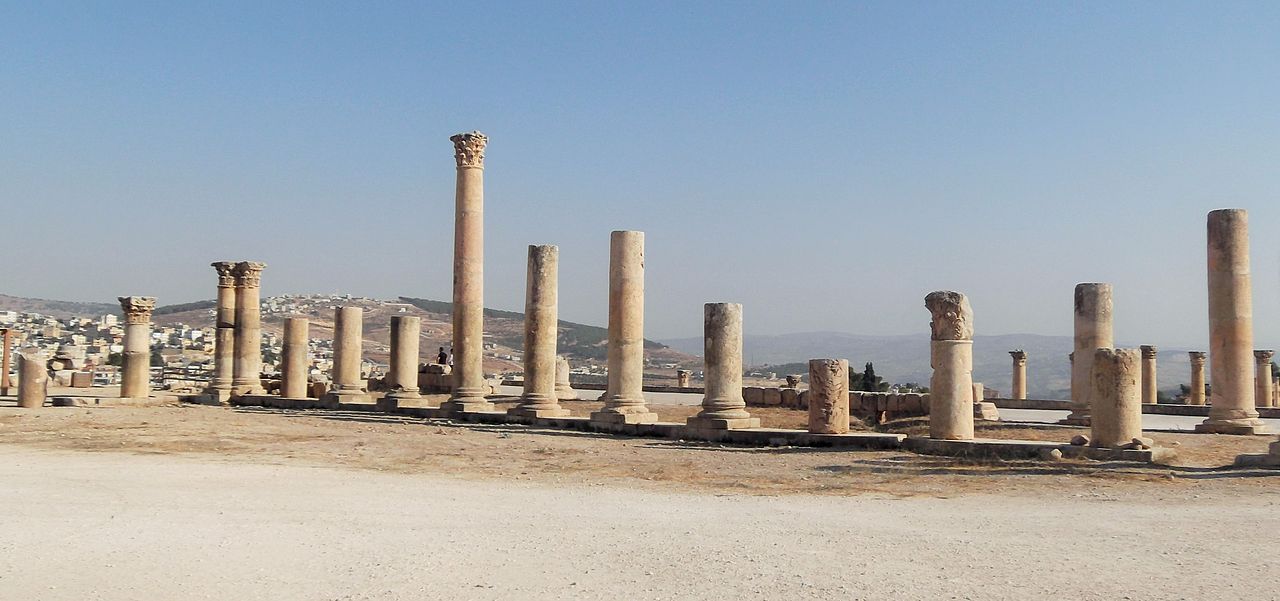
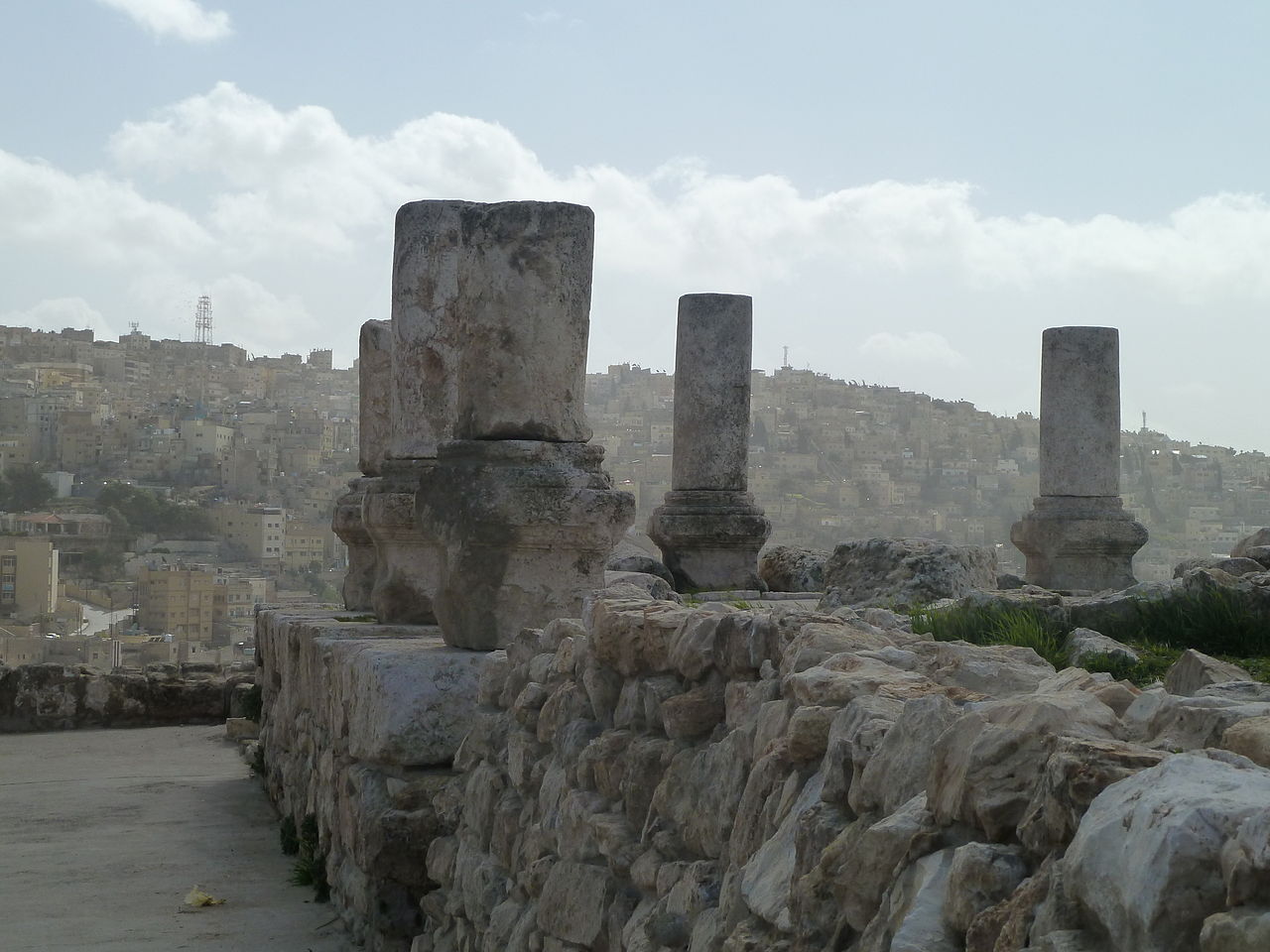
Most of the structures still visible at the site are from the Roman, Byzantine, and Umayyad periods. The major remains at the site are the Temple of Hercules, a Byzantine church, and the Umayyad Palace. The Jordan Archaeological Museum was built on the hill in 1951. While archaeological discoveries have been made at many sites within modern Amman, Citadel Hill still holds particularly high potential. Archaeologists have been working at the site since the 1920s, including Western and Jordanian-led projects, but a great part of the Citadel remains unexcavated.








Add new comment