
جبل القلعة
( Amman Citadel )The Amman Citadel (Arabic: جبل القلعة, romanized: Jabal Al-Qal'a) is a historical site at the center of downtown Amman, the capital of Jordan. The L-shaped hill is one of the seven hills (jabals) that originally made up Amman.
Evidence of occupation since the pottery Neolithic period has been found and the hill was fortified during the Bronze Age (1800 BC). The hill became the capital of the Kingdom of Ammon sometime after 1200 BC. It was later occupied by various empires that of the Assyrians (8th century BC), Babylonians (6th century BC), the Ptolemies, the Seleucids (3rd century BC), Romans (1st century BC), Byzantines (3rd century AD) and the Umayyads (7th century AD). After the Ummayads came a period of decline and for much of the time until 1878 as the former city became an abandoned pile of ruins only sporadically used by Bedouins and ...阅读全文
The Amman Citadel (Arabic: جبل القلعة, romanized: Jabal Al-Qal'a) is a historical site at the center of downtown Amman, the capital of Jordan. The L-shaped hill is one of the seven hills (jabals) that originally made up Amman.
Evidence of occupation since the pottery Neolithic period has been found and the hill was fortified during the Bronze Age (1800 BC). The hill became the capital of the Kingdom of Ammon sometime after 1200 BC. It was later occupied by various empires that of the Assyrians (8th century BC), Babylonians (6th century BC), the Ptolemies, the Seleucids (3rd century BC), Romans (1st century BC), Byzantines (3rd century AD) and the Umayyads (7th century AD). After the Ummayads came a period of decline and for much of the time until 1878 as the former city became an abandoned pile of ruins only sporadically used by Bedouins and seasonal farmers. Despite this gap, the Citadel of Amman is considered to be among the world's oldest continuously inhabited places.
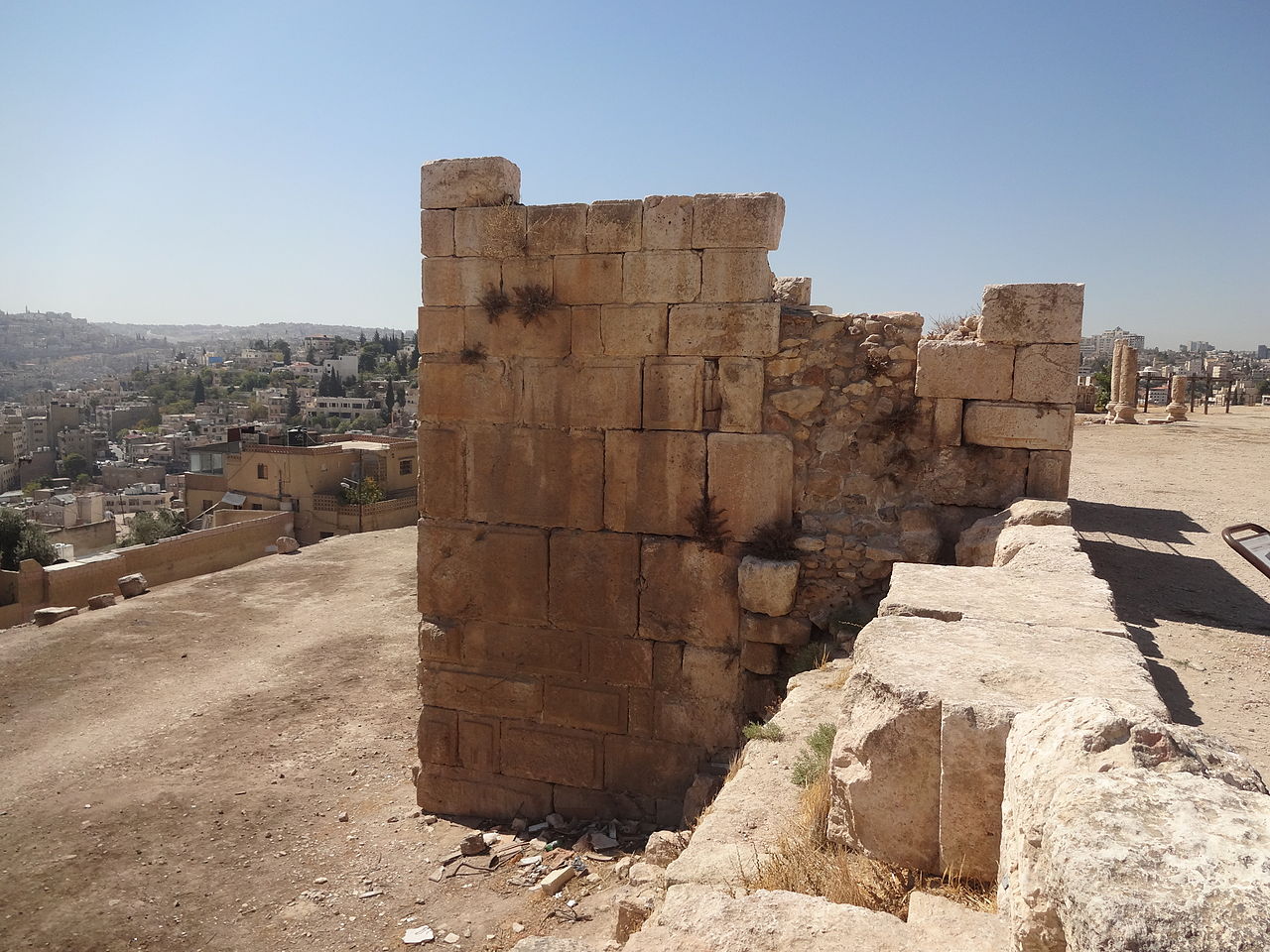
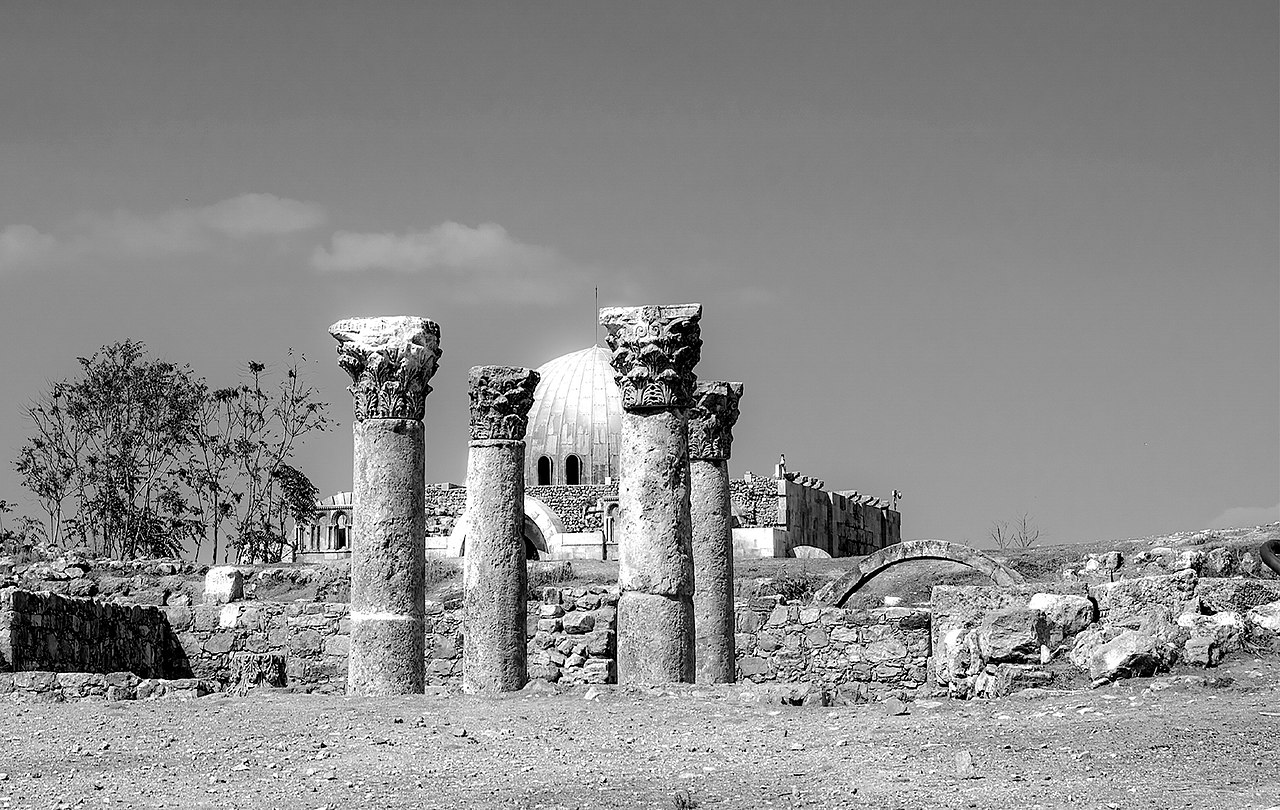
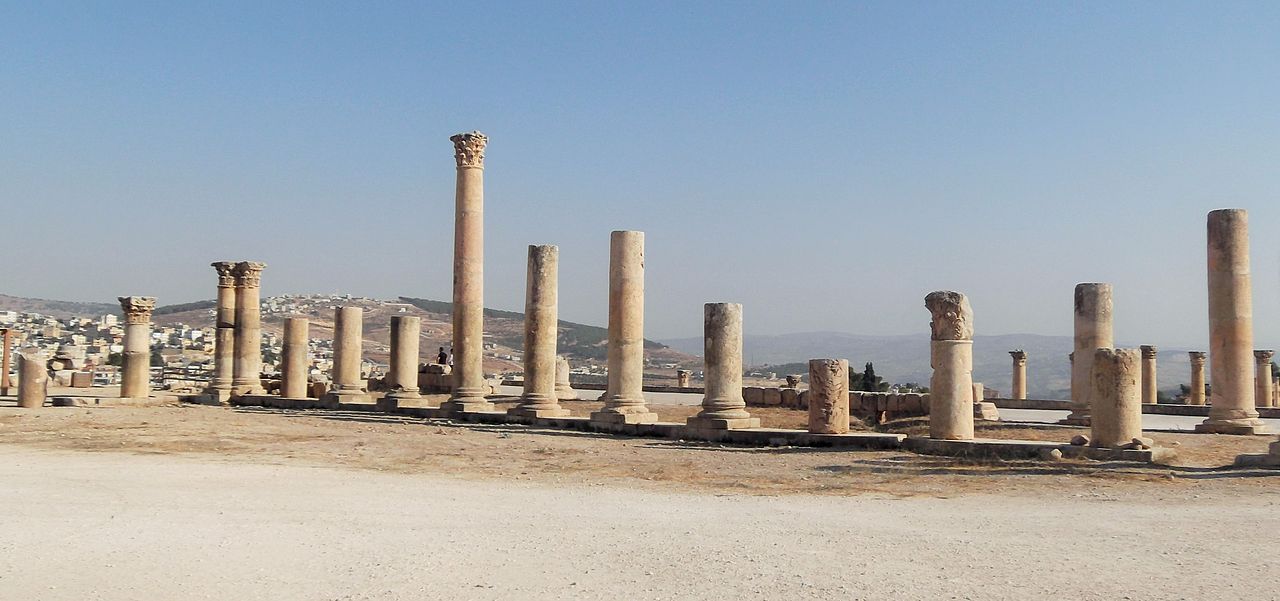
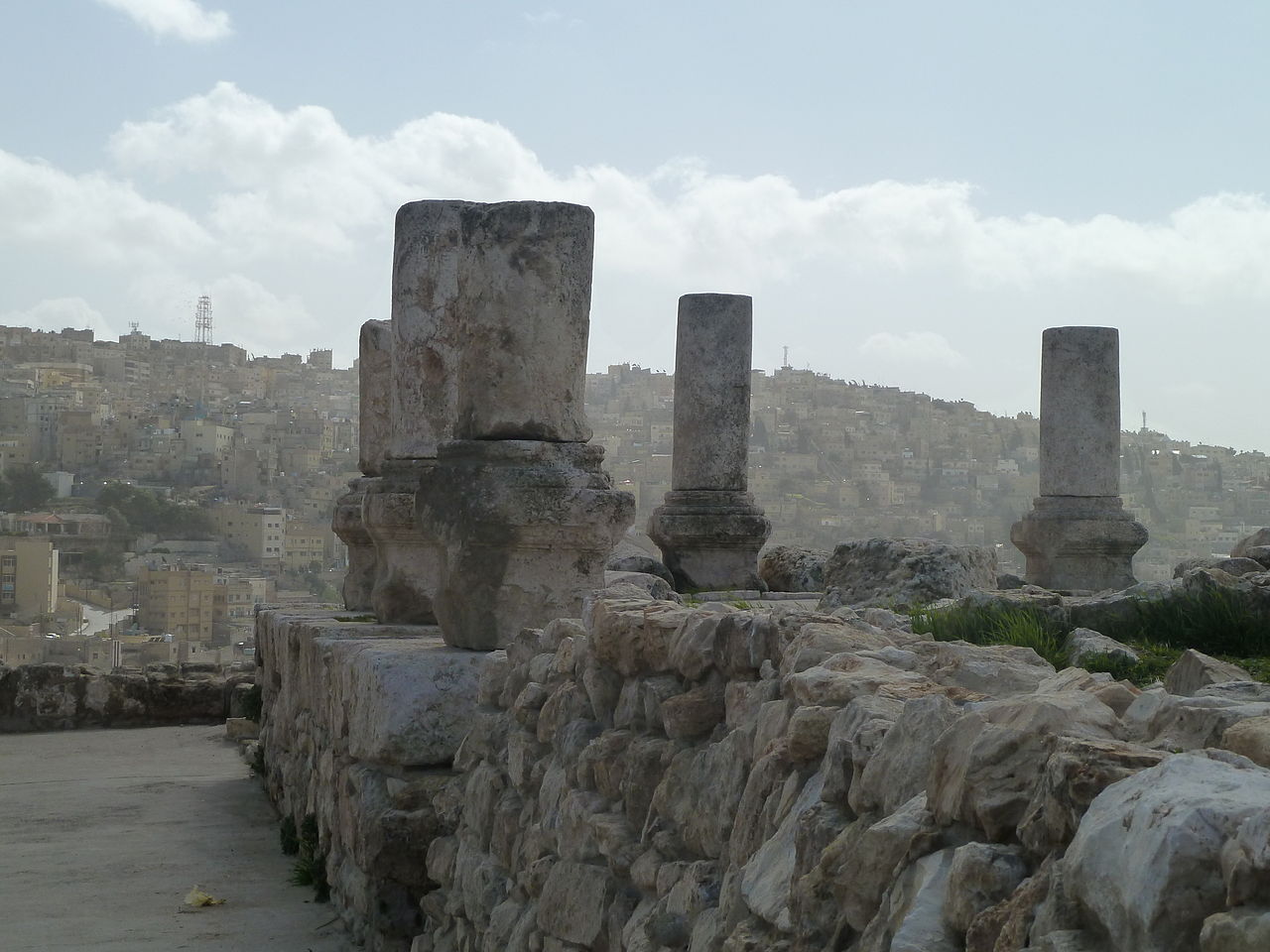
The Citadel is considered an important site because it has had a long history of occupation by many great civilizations. Most of the buildings still visible at the site are from the Roman, Byzantine, and Umayyad periods. The major buildings at the site are the Temple of Hercules, a Byzantine church, and the Umayyad Palace. The Jordan Archaeological Museum was built on the hill in 1951. Though the fortification walls enclose the heart of the site, the ancient periods of occupation covered large areas. Historic structures, tombs, arches, walls and stairs have no modern borders, and therefore there is considerable archaeological potential at this site, as well as in surrounding lands, and throughout Amman. Archaeologists have been working at the site since the 1920s, including Italian, British, French, Spanish, and Jordanian projects, but a great part of the Citadel remains unexcavated.








添加新评论