
Rujm el-Hiri (Arabic: رجم الهري, romanized: Rujm al-Hīrī; Hebrew: גִּלְגַּל רְפָאִים, romanized: Gilgal Refaʾim ) is an ancient stone, or megalithic, structure consisting of concentric circles of stone with a tumulus, a mound of earth and stone, at center. It is located in the Golan Heights some 16 kilometres (9.9 mi) east of the coast of the Sea of Galilee, in the middle of a large plateau covered with hundreds of dolmens, single chamber tombs of stone.
Made up of more than 42,000 basalt rocks arranged in concentric circles, Rujm al-...Read more
Rujm el-Hiri (Arabic: رجم الهري, romanized: Rujm al-Hīrī; Hebrew: גִּלְגַּל רְפָאִים, romanized: Gilgal Refaʾim ) is an ancient stone, or megalithic, structure consisting of concentric circles of stone with a tumulus, a mound of earth and stone, at center. It is located in the Golan Heights some 16 kilometres (9.9 mi) east of the coast of the Sea of Galilee, in the middle of a large plateau covered with hundreds of dolmens, single chamber tombs of stone.
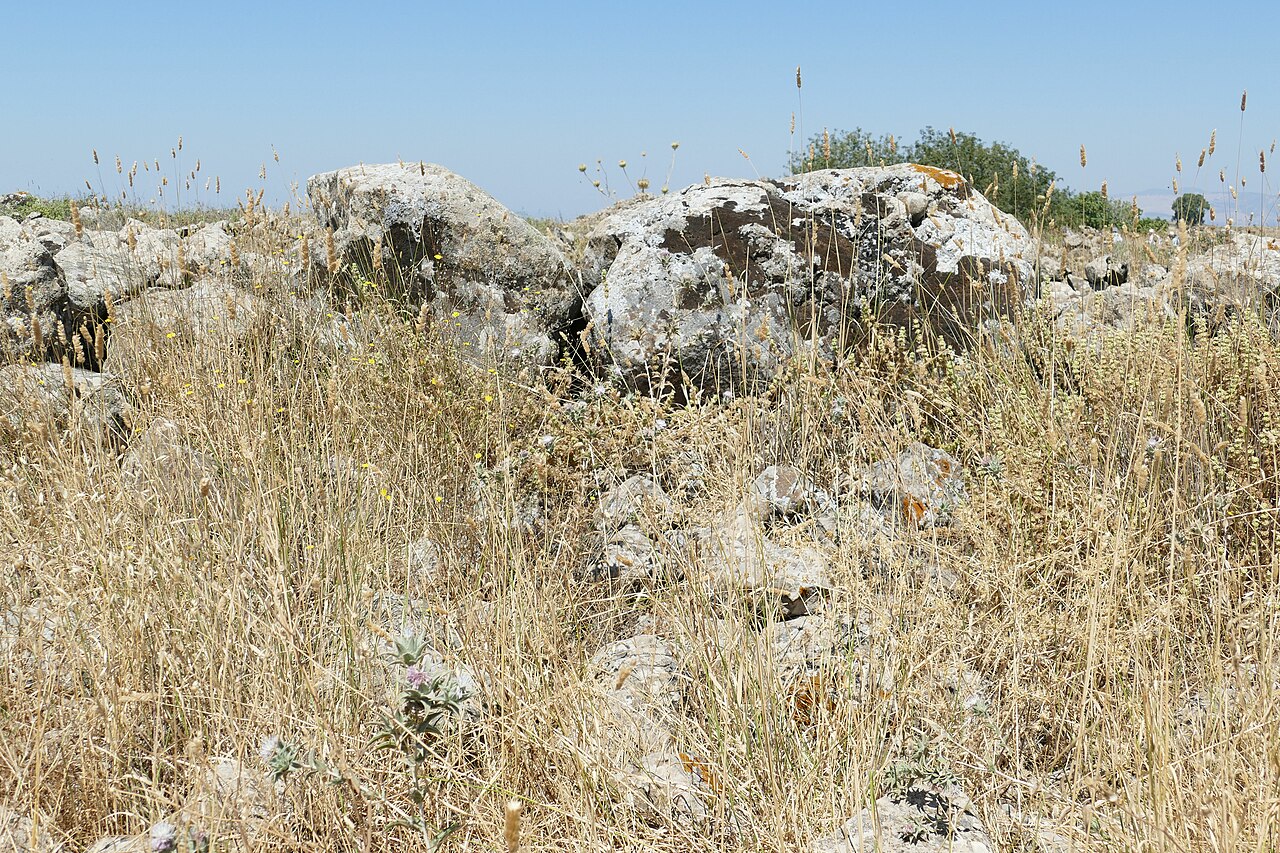
Made up of more than 42,000 basalt rocks arranged in concentric circles, Rujm al-Hiri has a mound 15 feet (4.6 m) tall at its center. Some circles are complete, others incomplete. The outermost wall is 520 feet (160 m) in diameter and 8 feet (2.4 m) high. The establishment of the site, and other nearby ancient settlements, is dated by archaeologists to the Early Bronze Age II period (3000–2700 BCE).
Since excavations have yielded very few material remains, Israeli archeologists theorize that the site was not a defensive position or a residential quarter but most likely a ritual center featuring ritual activity to placate the gods, or possibly linked to the cult of the dead. However, there is no consensus regarding its function, as no similar structure has been found in the Near East.




Add new comment