
Tomb of Askia
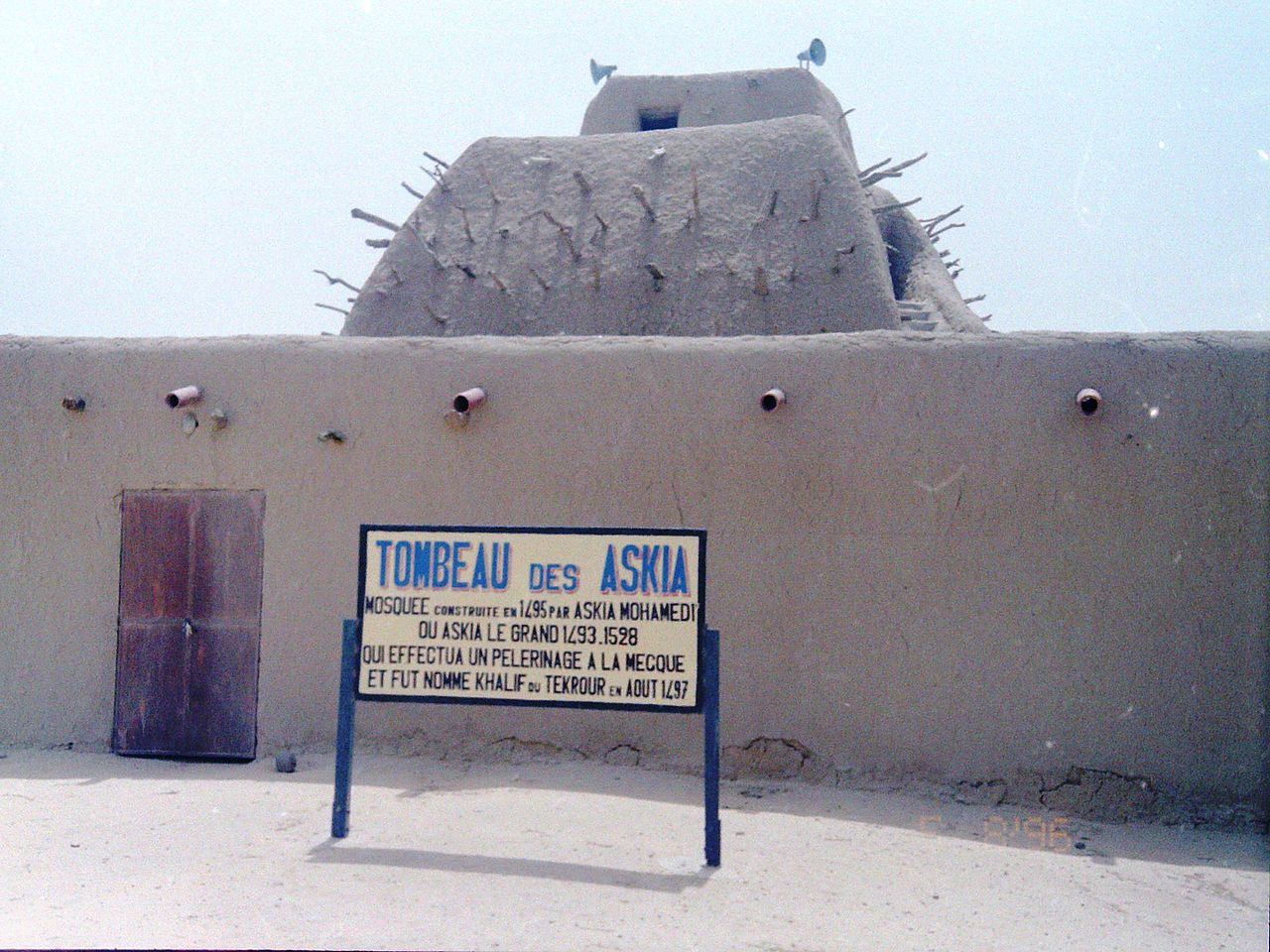
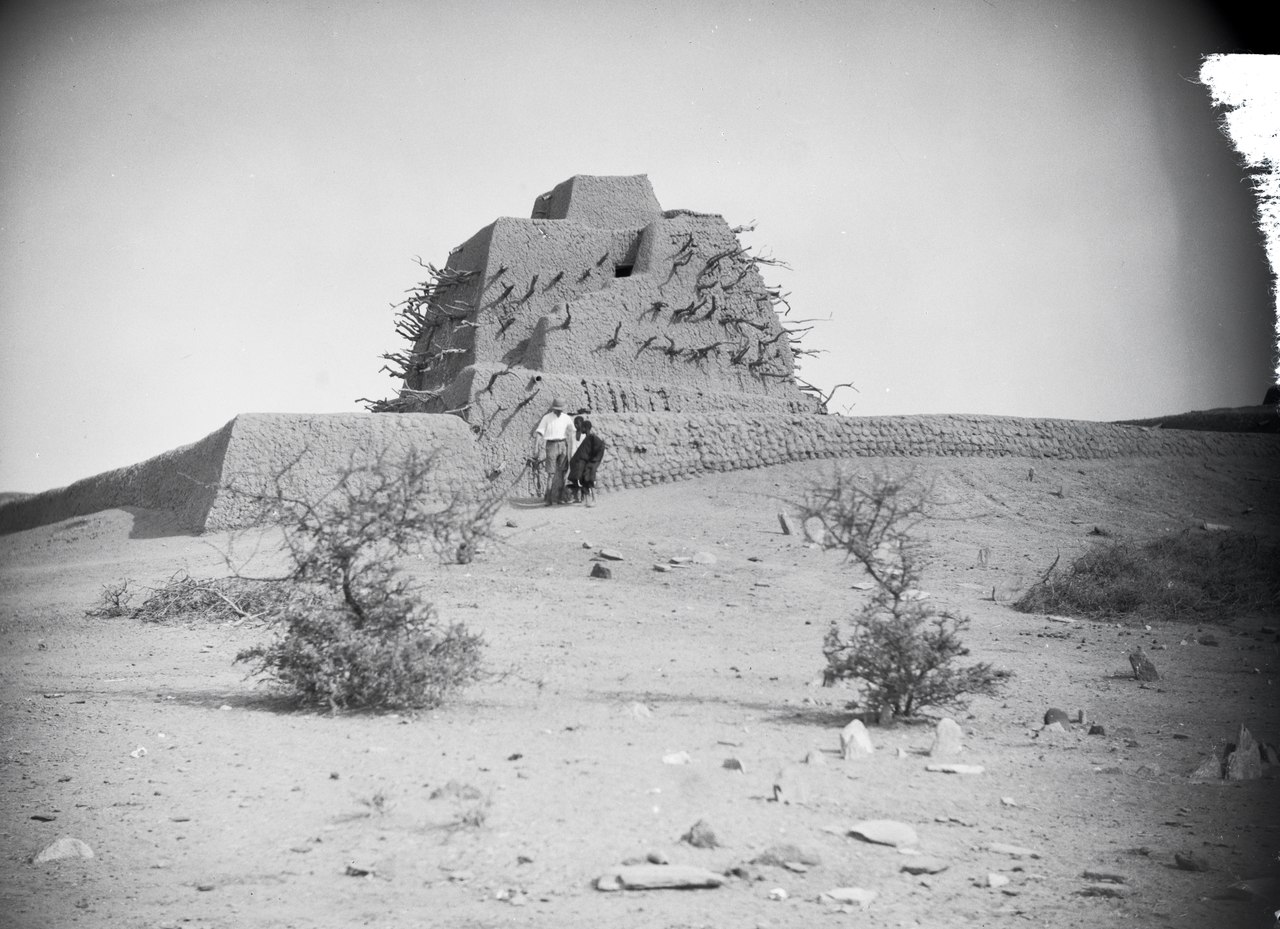
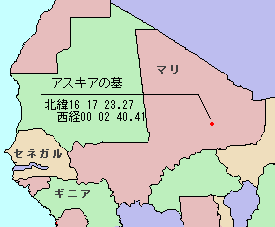
The Tomb of Askia, in Gao, Mali, is believed to be the burial place of Askia Mohammad I, one of the Songhai Empire's most prolific emperors. It was built at the end of the fifteenth century and is designated as a UNESCO World Heritage Site.
UNESCO describes the tomb as a fine example of the monumental mud-building traditions of the West African Sahel. The complex includes the pyramidal tomb, two mosques, a cemetery and an assembly ground. At 17 metres (56 ft) in height it is the largest pre-colonial architectural monument in Gao. It is a notable example of the Sudano-Sahelian architectural style that later spread throughout the region.
Relatively recent modifications to the site have included the expansion of the mosque buildings in the 1960s and mid-1970s, and the 1999 construction of a wall around the site. It has also been regularly replastered throughout its history, a process essential to the maintenance and repair of mud structures. Electricity was adde...Read more
The Tomb of Askia, in Gao, Mali, is believed to be the burial place of Askia Mohammad I, one of the Songhai Empire's most prolific emperors. It was built at the end of the fifteenth century and is designated as a UNESCO World Heritage Site.
UNESCO describes the tomb as a fine example of the monumental mud-building traditions of the West African Sahel. The complex includes the pyramidal tomb, two mosques, a cemetery and an assembly ground. At 17 metres (56 ft) in height it is the largest pre-colonial architectural monument in Gao. It is a notable example of the Sudano-Sahelian architectural style that later spread throughout the region.
Relatively recent modifications to the site have included the expansion of the mosque buildings in the 1960s and mid-1970s, and the 1999 construction of a wall around the site. It has also been regularly replastered throughout its history, a process essential to the maintenance and repair of mud structures. Electricity was added in the early 2000s, allowing for ceiling fans, lights and a loudspeaker mounted on top.
Askia is in regular use as a mosque and a publicly owned cultural centre for the city of Gao. The site and a buffer area around it are protected by both national and local laws.




![[node:title]](/sites/default/files/styles/640x320/public/default_images/default_0.JPG.webp?itok=aqV9zhFR)







Add new comment