
Skara Brae
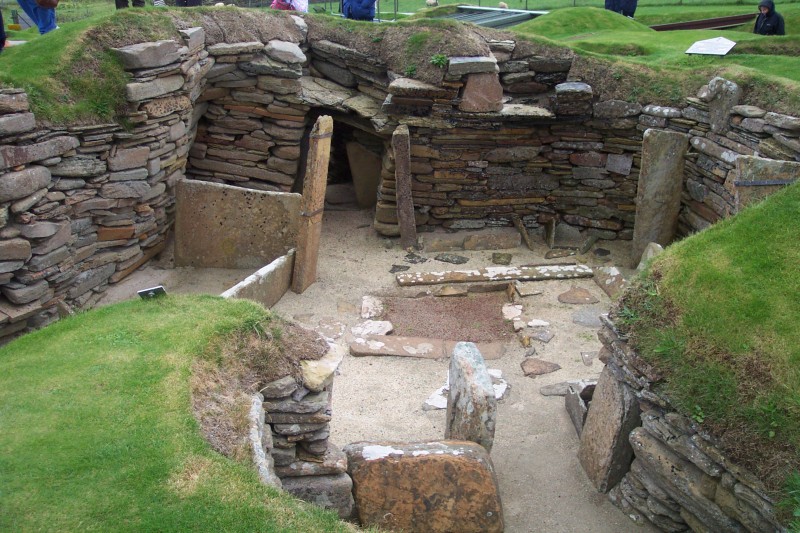
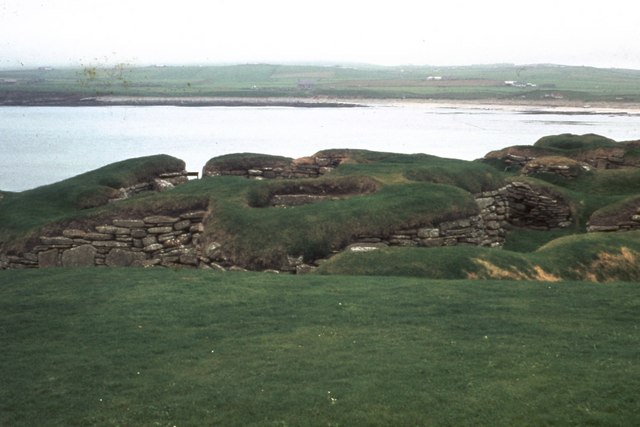
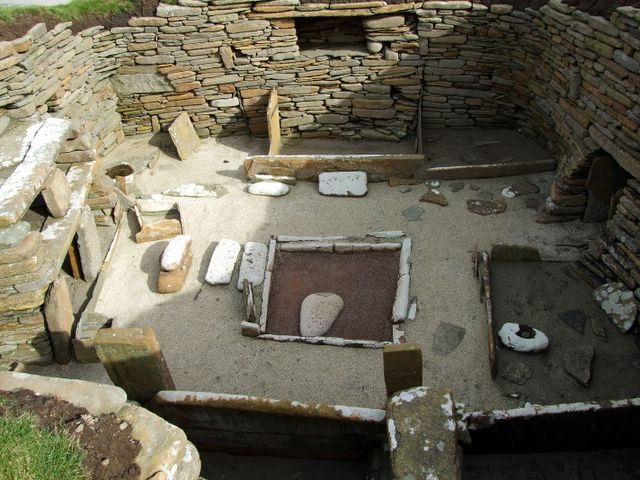
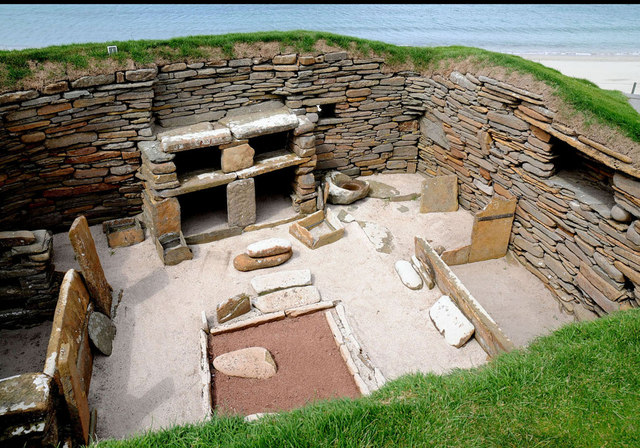
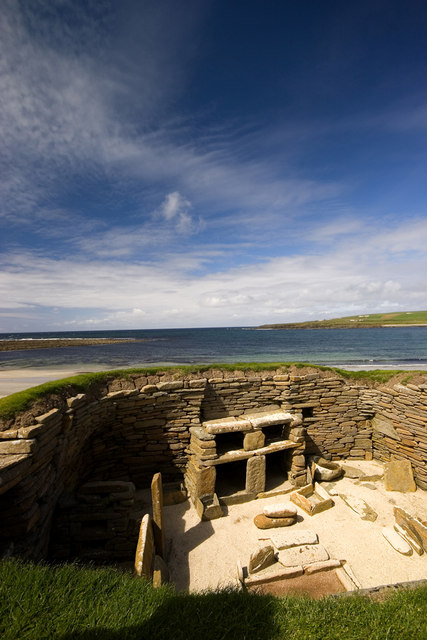
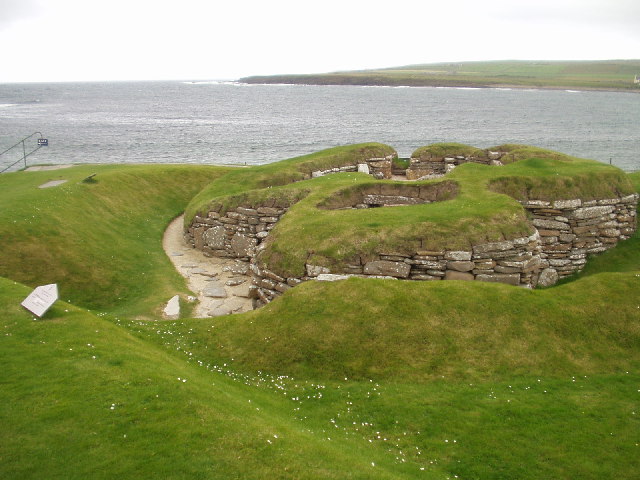
Skara Brae is a stone-built Neolithic settlement, located on the Bay of Skaill in the parish of Sandwick, on the west coast of Mainland, the largest island in the Orkney archipelago of Scotland. It consisted of ten clustered houses, made of flagstones, in earthen dams that provided support for the walls; the houses included stone hearths, beds, and cupboards. A primitive sewer system, with "toilets" and drains in each house, included water used to flush waste into a drain and out to the ocean.
The site was occupied from roughly 3180 BC to around 2500 BC and is Europe's most complete Neolithic village. Skara Brae gained UNESCO World Heritage Site status as one of four sites making up "The Heart of Neolithic Orkney". Older than Stonehenge and the Great Pyramids of Giza, it has been called the "Scottish Pompeii" because of its excellent preservation.
Care of the site is the responsibility of Historic Environment Scotl...Read more
Skara Brae is a stone-built Neolithic settlement, located on the Bay of Skaill in the parish of Sandwick, on the west coast of Mainland, the largest island in the Orkney archipelago of Scotland. It consisted of ten clustered houses, made of flagstones, in earthen dams that provided support for the walls; the houses included stone hearths, beds, and cupboards. A primitive sewer system, with "toilets" and drains in each house, included water used to flush waste into a drain and out to the ocean.
The site was occupied from roughly 3180 BC to around 2500 BC and is Europe's most complete Neolithic village. Skara Brae gained UNESCO World Heritage Site status as one of four sites making up "The Heart of Neolithic Orkney". Older than Stonehenge and the Great Pyramids of Giza, it has been called the "Scottish Pompeii" because of its excellent preservation.
Care of the site is the responsibility of Historic Environment Scotland which works with partners in managing the site: Orkney Islands Council, NatureScot (Scottish Natural Heritage), and the Royal Society for the Protection of Birds. Visitors to the site are welcome during much of the year.
Uncovered by a storm in 1850, the coastal site may now be at risk from climate change.









Add new comment