
Andorra
Context of Andorra
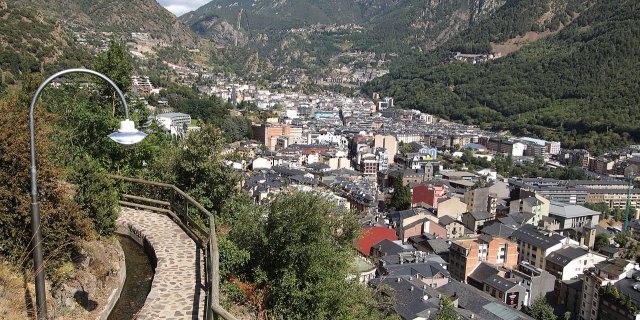
Andorra, officially the Principality of Andorra, is a sovereign landlocked country on the Iberian Peninsula, in the eastern Pyrenees in Southwestern Europe, bordered by France to the north and Spain to the south. Believed to have been created by Charlemagne, Andorra was ruled by the count of Urgell until 988, when it was transferred to the Roman Catholic Diocese of Urgell. The present principality was formed by a charter in 1278. It is currently headed by two co-princes: the Bishop of Urgell in Catalonia, Spain, and the president of France. Its capital and largest city is Andorra la Vella.
Andorra is the sixth-smallest state in Europe, with an area of 468 square kilometres (181 sq mi) and a population of approximately 87,486. The Andorran people are a Romance ethnic group closely related to Catalans. Andorra is the world's 16th-smallest country by land and 11th-smallest by population. Its capital, Andorra la Vella, is the highest ...Read more
Andorra, officially the Principality of Andorra, is a sovereign landlocked country on the Iberian Peninsula, in the eastern Pyrenees in Southwestern Europe, bordered by France to the north and Spain to the south. Believed to have been created by Charlemagne, Andorra was ruled by the count of Urgell until 988, when it was transferred to the Roman Catholic Diocese of Urgell. The present principality was formed by a charter in 1278. It is currently headed by two co-princes: the Bishop of Urgell in Catalonia, Spain, and the president of France. Its capital and largest city is Andorra la Vella.
Andorra is the sixth-smallest state in Europe, with an area of 468 square kilometres (181 sq mi) and a population of approximately 87,486. The Andorran people are a Romance ethnic group closely related to Catalans. Andorra is the world's 16th-smallest country by land and 11th-smallest by population. Its capital, Andorra la Vella, is the highest capital city in Europe, at an elevation of 1,023 metres (3,356 feet) above sea level. The official language is Catalan, but Spanish, Portuguese, and French are also commonly spoken.
Tourism in Andorra brings approximately 8 million visitors to the country annually. Andorra is not a member state of the European Union. It has been a member of the Council of Europe and of the United Nations since 1993.
More about Andorra
- Currency Euro
- Native name Andorra
- Calling code +376
- Internet domain .ad
- Mains voltage 220V/50Hz
- Population 87486
- Area 468
- Driving side right
- Stay safe
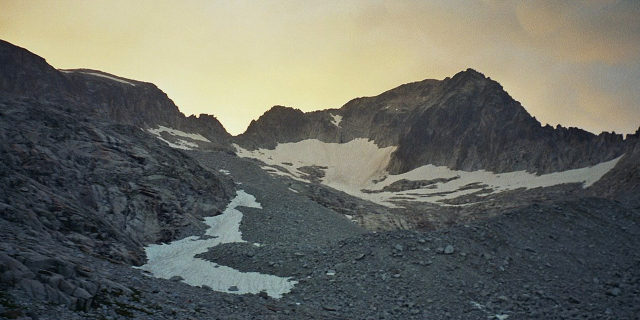
There is not much threat from other people in Andorra, but keep safe on mountains. Don't go too high without knowing what you are doing. See Altitude sickness for more.
Drivers are warned to avoid crossing back into France if the Spanish side of the Pyrenees has enjoyed beautiful warm sunshine all day and the road temperatures drop considerably towards the evening - there is danger of black ice from ice melt. The weather in the French Pyrenees is frequently vastly different than that of Andorra and the Spanish Pyrenees. Stay overnight if necessary, as cold morning temperatures are more apparent and less treacherous than sudden evening icing. Driving can become dangerous especially in winter if you don't obey the speed limits or traffic signs due to its narrow roads, sharp turns and mountainous terrains. From November 1 to May 15, drivers are legally required to have winter tires or snow chains installed. Otherwise you will be fined €180 by the police.