
Java
Context of Java
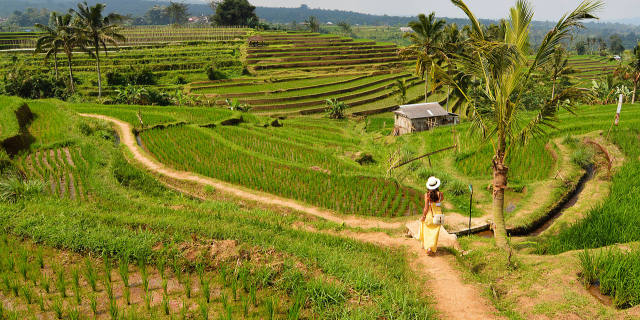
Java is one of the Greater Sunda Islands in Indonesia. It is bordered by the Indian Ocean to the south and the Java Sea (a part of Pacific Ocean) to the north. With a population of 156.9 million people (including Madura) in mid 2024, projected to rise to 158 million at mid 2025, Java is the world's most populous island, home to approximately 55.7% of the Indonesian population (only approximately 44.3% of Indonesian population live outside Java). Indonesia's capital city, Jakarta, is on Java's northwestern coast.
Many of the best known events in Indonesian history took place on Java. It was the centre of powerful Hindu-Buddhist empires, the Islamic sultanates, and the core of the colonial Dutch East Indies. Java was also the center of the Indonesian struggle for independence during the 1930s and 1940s. Java dominates Indonesia politically, economically and culturally. Four of Indonesia's eight UNESCO world heritage sites are located in Java: Ujung Kulon National Park, B...Read more
Java is one of the Greater Sunda Islands in Indonesia. It is bordered by the Indian Ocean to the south and the Java Sea (a part of Pacific Ocean) to the north. With a population of 156.9 million people (including Madura) in mid 2024, projected to rise to 158 million at mid 2025, Java is the world's most populous island, home to approximately 55.7% of the Indonesian population (only approximately 44.3% of Indonesian population live outside Java). Indonesia's capital city, Jakarta, is on Java's northwestern coast.
Many of the best known events in Indonesian history took place on Java. It was the centre of powerful Hindu-Buddhist empires, the Islamic sultanates, and the core of the colonial Dutch East Indies. Java was also the center of the Indonesian struggle for independence during the 1930s and 1940s. Java dominates Indonesia politically, economically and culturally. Four of Indonesia's eight UNESCO world heritage sites are located in Java: Ujung Kulon National Park, Borobudur Temple, Prambanan Temple, and Sangiran Early Man Site.
Java was formed by volcanic eruptions due to geologic subduction of the Australian Plate under the Sunda Plate. It is the 13th largest island in the world and the fifth largest in Indonesia by landmass, at about 132,598.77 square kilometres (51,196.67 sq mi) (including Madura's 5,408.45 square kilometres (2,088.21 sq mi)). A chain of volcanic mountains is the east–west spine of the island.
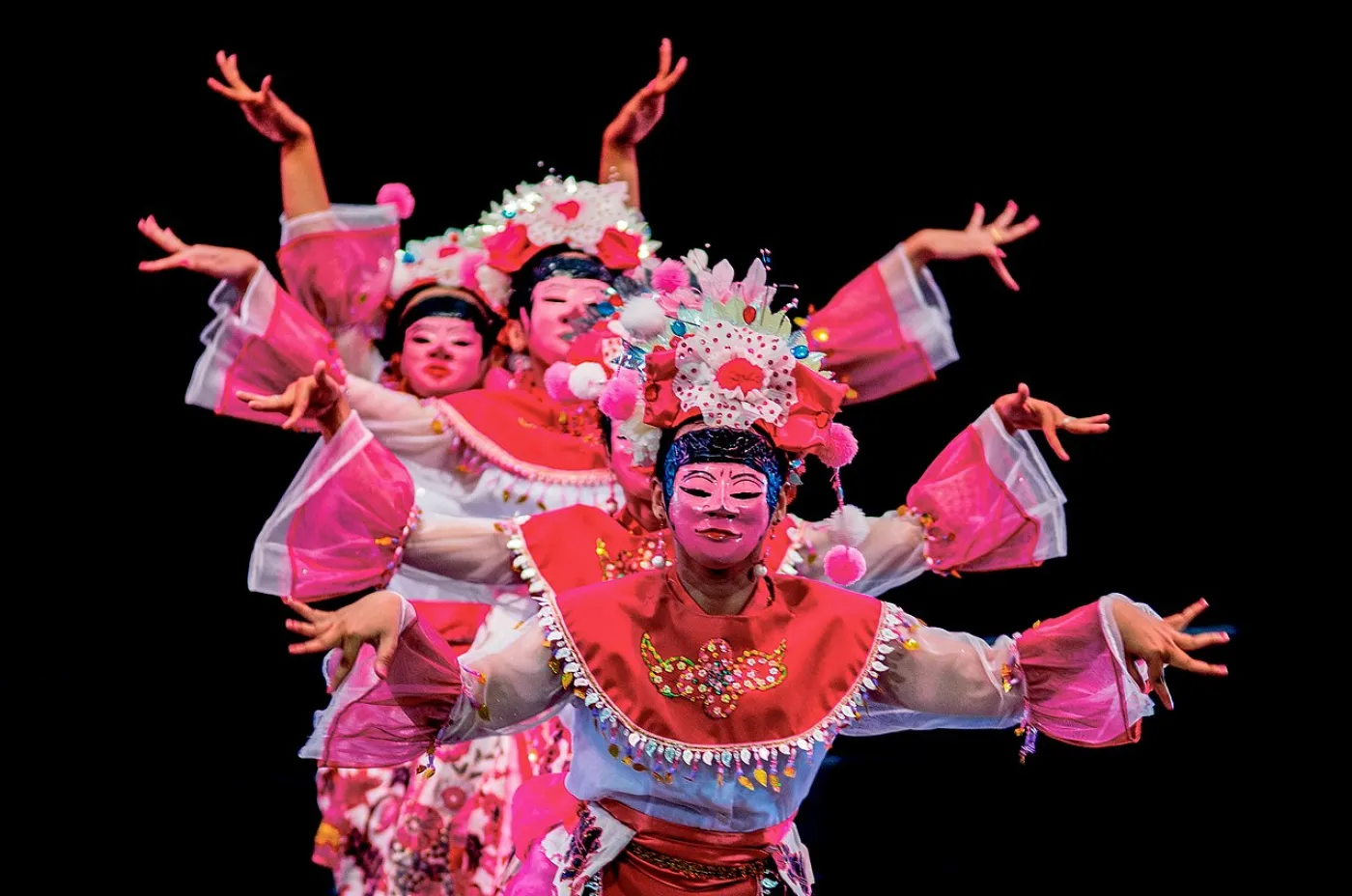
Four main languages are spoken on the island: Javanese, Sundanese, Madurese, and Betawi. Javanese and Sundanese are the most spoken. The ethnic groups native to the island are the Javanese in the central and eastern parts and Sundanese in the western parts. The Madurese in the Eastern salient of Java are migrants from Madura Island (which is part of East Java Province in administrative terms), while the Betawi in the capital city of Jakarta are hybrids from various ethnic groups in Indonesia. Most residents are bilingual, speaking Indonesian (the official language of Indonesia) as their first or second language. While the majority of the people of Java are Muslim, Java's population comprises people of diverse religious beliefs, ethnicities, and cultures.
Java is divided into four administrative provinces: Banten, West Java, Central Java, and East Java, and two special regions, Jakarta and Yogyakarta.
More about Java
- Population 160293748
- Area 128297
- Stay safe
Use common sense, as you would do in your own country. The most common crime for travellers to be aware of is the snatching of expensive-looking smartphones, so don't use those near the street. Violent crime is rare in Indonesia. However, it's wise to be extra cautious in Jakarta and other big cities, especially in crowds.
Traffic can be chaotic. Watch out for trucks, cars and other moving objects. One rule applies: "might is right". Don't expect traffic to respect pedestrian ("zebra") crossings (even when a police[wo]man is in sight). When crossing a busy street - be confident and make your intentions clear to the oncoming drivers. Cars never stop, but if they know what they can expect from you, they will avoid hitting you. Using hand signals like putting one hand in the air or signaling stop might help, too.