
Scandinavia
Context of Scandinavia
Scandinavia is a subregion of northern Europe, with strong historical, cultural, and linguistic ties between its constituent peoples. Scandinavia most commonly refers to Denmark, Norway, and Sweden. It can sometimes also refer to the Scandinavian Peninsula (which excludes Denmark but includes a part of northern Finland). In English usage, Scandinavia is sometimes used as a synonym for Nordic countries. Iceland and the Faroe Islands are sometimes included in Scandinavia for their ethnolinguistic relations with Sweden, Norway and Denmark. While Finland differs from other Nordic countries in this respect, some authors call it Scandinavian due to its economic and cultural similarities.
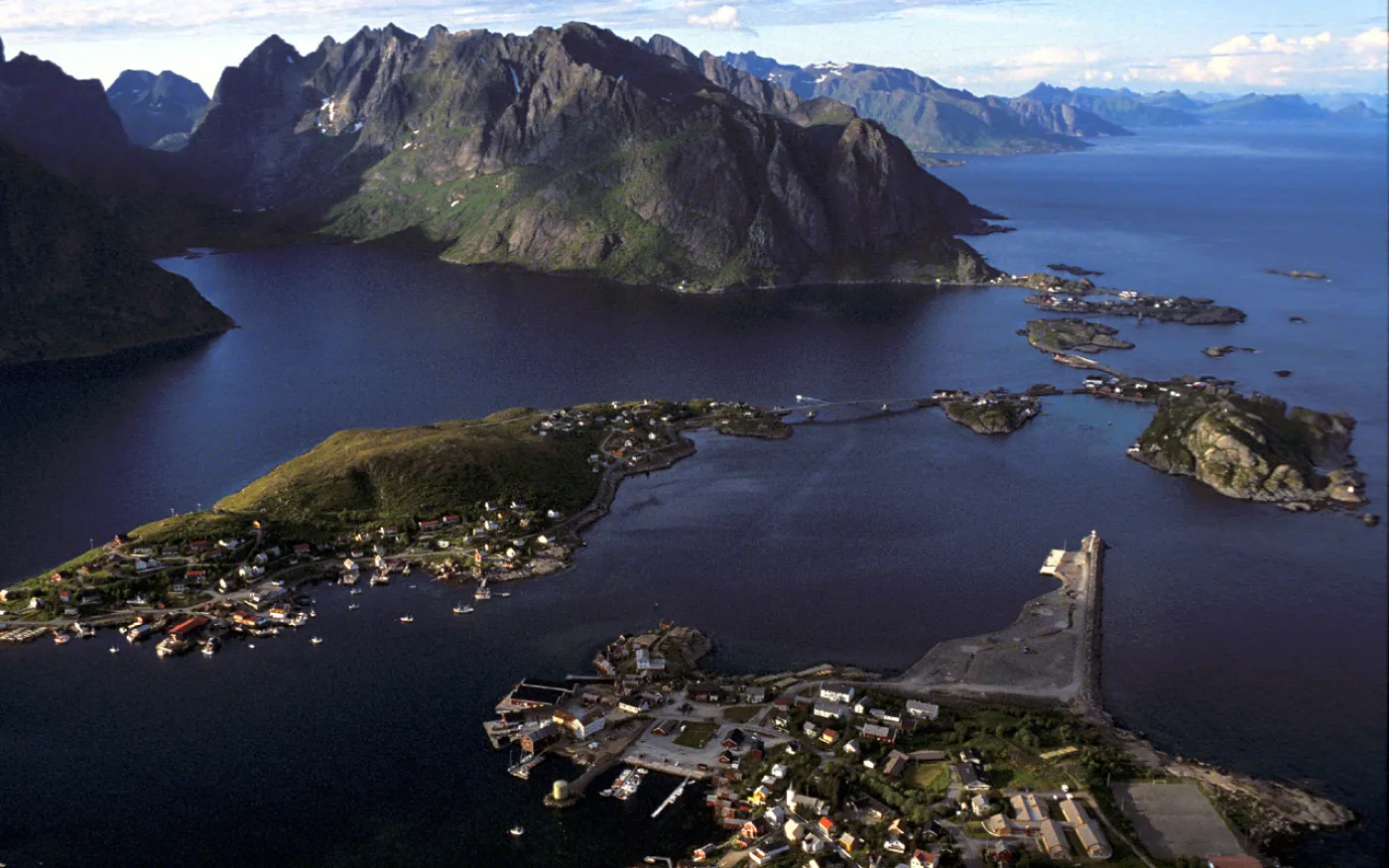
The geography of the region is varied, from the Norwegian fjords in the west and Scandinavian mountains covering parts of Norway and Sweden, to the low and flat areas of Denmark in the south, as well as archipelagos and lakes in the east. Most of the po...Read more
Scandinavia is a subregion of northern Europe, with strong historical, cultural, and linguistic ties between its constituent peoples. Scandinavia most commonly refers to Denmark, Norway, and Sweden. It can sometimes also refer to the Scandinavian Peninsula (which excludes Denmark but includes a part of northern Finland). In English usage, Scandinavia is sometimes used as a synonym for Nordic countries. Iceland and the Faroe Islands are sometimes included in Scandinavia for their ethnolinguistic relations with Sweden, Norway and Denmark. While Finland differs from other Nordic countries in this respect, some authors call it Scandinavian due to its economic and cultural similarities.
The geography of the region is varied, from the Norwegian fjords in the west and Scandinavian mountains covering parts of Norway and Sweden, to the low and flat areas of Denmark in the south, as well as archipelagos and lakes in the east. Most of the population in the region live in the more temperate southern regions, with the northern parts having long, cold winters.
During the Viking Age Scandinavian peoples participated in large-scale raiding, conquest, colonization and trading mostly throughout Europe. They also used their longships for exploration, becoming the first Europeans to reach North America. These exploits saw the establishment of the North Sea Empire which comprised large parts of Scandinavia and Great Britain, though it was relatively short-lived. Scandinavia was eventually Christianized, and the coming centuries saw various unions of Scandinavian nations, most notably the Kalmar Union of Denmark, Norway and Sweden, which lasted for over 100 years until the Swedish king Gustav I led Sweden out of the union. Denmark and Norway, as well as Schleswig-Holstein, were then united until 1814 as Denmark–Norway. Numerous wars between the nations followed, which shaped the modern borders and led to the establishment of the Swedish Empire in the 17th and early 18th centuries. The most recent Scandinavian union was the union between Sweden and Norway, which ended in 1905.
In modern times the region has prospered, with the economies of the countries being amongst the strongest in Europe. Sweden, Denmark, Norway, Iceland, and Finland all maintain welfare systems considered to be generous, with the economic and social policies of the countries being dubbed the "Nordic model".