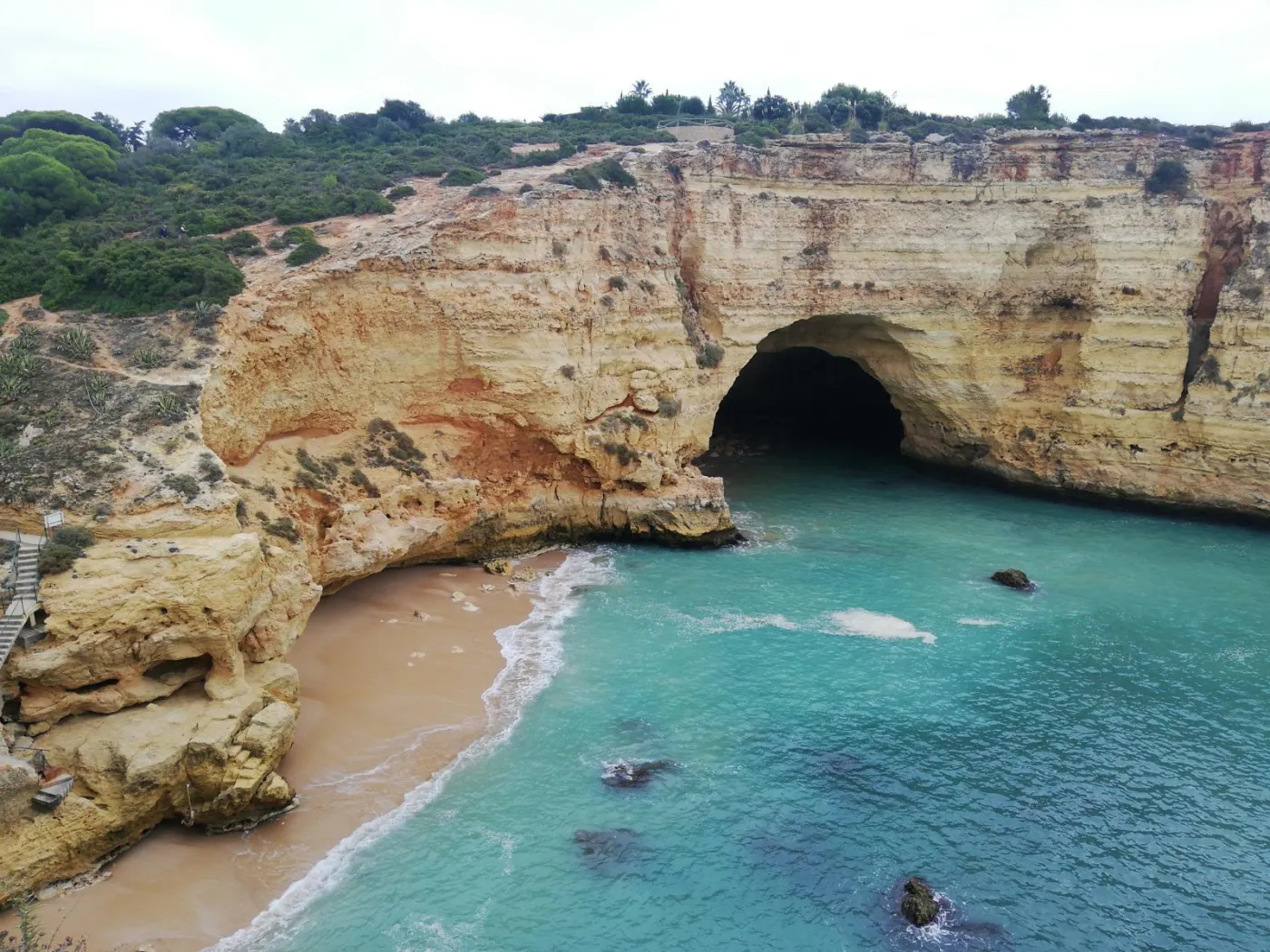

Iberian Peninsula
NASA's Earth Observatory - CC BY 2.0
ASOME-Universitat Autònoma de Barcelona - CC BY-SA 4.0
Coentor - CC BY-SA 4.0
No machine-readable author provided. Txuspe assumed (based on copyright claims). - Public domain
Juandetorres - CC BY-SA 3.0 es
Thomas Ledl - CC BY-SA 4.0
Joaquimgr - CC BY 3.0
Ramon Diaz - Public domain
Miguel Librero from Sevilla, España - CC BY-SA 2.0
Richichiky - CC BY-SA 3.0
Turismo Madrid Consorcio Turístico from Madrid, España - CC BY 2.0
Ndres.s - CC0
joselomba - CC BY-SA 3.0
Camuspeleo - CC BY-SA 4.0
María Jesús Tomé - CC BY 2.0
Rosino - CC BY-SA 2.0
Henry Delors - CC BY-SA 4.0
Babbage - Public domain
Alexander Kozyrev - Public domain
The original uploader was Jsanchezes at Spanish Wikipedia. - CC BY-SA 3.0
Luzmoba - CC BY-SA 4.0
Gordito1869 - CC BY 3.0
kallerna - CC BY-SA 4.0
Pascalou petit - CC BY-SA 3.0
© jlgomezlinares - CC BY-SA 2.5
The original uploader was Jsanchezes at Spanish Wikipedia. - CC BY-SA 3.0
kurtsik from Euskal Herria - CC BY-SA 2.0
Fugi-bis - CC BY-SA 3.0
Tomàs - CC BY-SA 2.0
No images
Context of Iberian Peninsula
The Iberian Peninsula (IPA: eye-BEER-ee-ən), also known as Iberia, is a peninsula in south-western Europe. Mostly separated from the rest of the European landmass by the Pyrenees, it includes the territories of peninsular Spain and Continental Portugal, comprising most of the region, as well as the tiny adjuncts of Andorra, Gibraltar, and, pursuant to the traditional definition of the Pyrenees as the peninsula's northeastern boundary, a small part of France. With an area of approximately 583,254 square kilometres (225,196 sq mi), and a population of roughly 55 million, it is the second-largest European peninsula by area, after the Scandinavian Peninsula.


![[node:title]](/sites/default/files/styles/640x320/public/default_images/default_0.JPG.webp?itok=aqV9zhFR)