
İstanbul
IstanbulContext of Istanbul
Istanbul is the largest city in Turkey, constituting the country's economic, cultural, and historical heart. With a population over 15 million, it is home to 18% of the population of Turkey. Istanbul is among the largest cities in Europe and in the world by population. It is a city on two continents; about two-thirds of its population live in Europe and the rest in Asia. Istanbul straddles the Bosphorus—one of the world's busiest waterways—in northwestern Turkey, between the Sea of Marmara and the Black Sea. Its area of 5,461 square kilometers (2,109 sq mi) is coterminous with Istanbul Province. Istanbul's climate is Mediterranean.
The city now known as Istanbul developed to become one of the most significant cities in history. Byzantium was founded on the Sarayburnu promontory by Greek colonists, potentially in the seventh century BC. For nearly sixteen centuries following its reestablishment as Constantinople in 330 AD, ...Read more
Istanbul is the largest city in Turkey, constituting the country's economic, cultural, and historical heart. With a population over 15 million, it is home to 18% of the population of Turkey. Istanbul is among the largest cities in Europe and in the world by population. It is a city on two continents; about two-thirds of its population live in Europe and the rest in Asia. Istanbul straddles the Bosphorus—one of the world's busiest waterways—in northwestern Turkey, between the Sea of Marmara and the Black Sea. Its area of 5,461 square kilometers (2,109 sq mi) is coterminous with Istanbul Province. Istanbul's climate is Mediterranean.
The city now known as Istanbul developed to become one of the most significant cities in history. Byzantium was founded on the Sarayburnu promontory by Greek colonists, potentially in the seventh century BC. For nearly sixteen centuries following its reestablishment as Constantinople in 330 AD, it served as the capital of four empires: the Roman Empire (330–395), the Byzantine Empire (395–1204 and 1261–1453), the Latin Empire (1204–1261), and the Ottoman Empire (1453–1922). It was instrumental in the advancement of Christianity during Roman and Byzantine times, before the Ottomans conquered the city in 1453 and transformed it into an Islamic stronghold and the seat of the last caliphate. Although the Republic of Turkey established its capital in Ankara, palaces and imperial mosques still line Istanbul's hills as visible reminders of the city's previous central role. The historic centre of Istanbul is a UNESCO World Heritage Site.
Istanbul's strategic position along the historic Silk Road, rail networks to Europe and West Asia, and the only sea route between the Black Sea and the Mediterranean have helped foster an eclectic populace, although less so since the establishment of the Republic in 1923. Overlooked for the new capital during the interwar period, the city has since regained much of its prominence. The population of the city has increased tenfold since the 1950s, as migrants from across Anatolia have flocked to the metropolis and city limits have expanded to accommodate them. Most Turkish citizens in Istanbul are ethnic Turks, while ethnic Kurds are the largest ethnic minority. Arts festivals were established at the end of the 20th century, while infrastructure improvements have produced a complex transportation network.
Considered an alpha global city, Istanbul accounts for about thirty percent of Turkey's economy. Istanbul-Kocaeli area is one of the main industrial regions in Turkey. In 2024, Euromonitor International ranked Istanbul as the second most visited city in the world. Istanbul is home to two international airports, multiple ports, and numerous universities. It is among the top 100 science and technology clusters in the world. The city hosts a large part of Turkish football and sports in general, with clubs such as Galatasaray, Fenerbahçe and Beşiktaş. Istanbul is vulnerable to earthquakes as it is in close proximity to the North Anatolian Fault.
More about Istanbul
- Native name İstanbul
- Population 14804116
- Area 5343
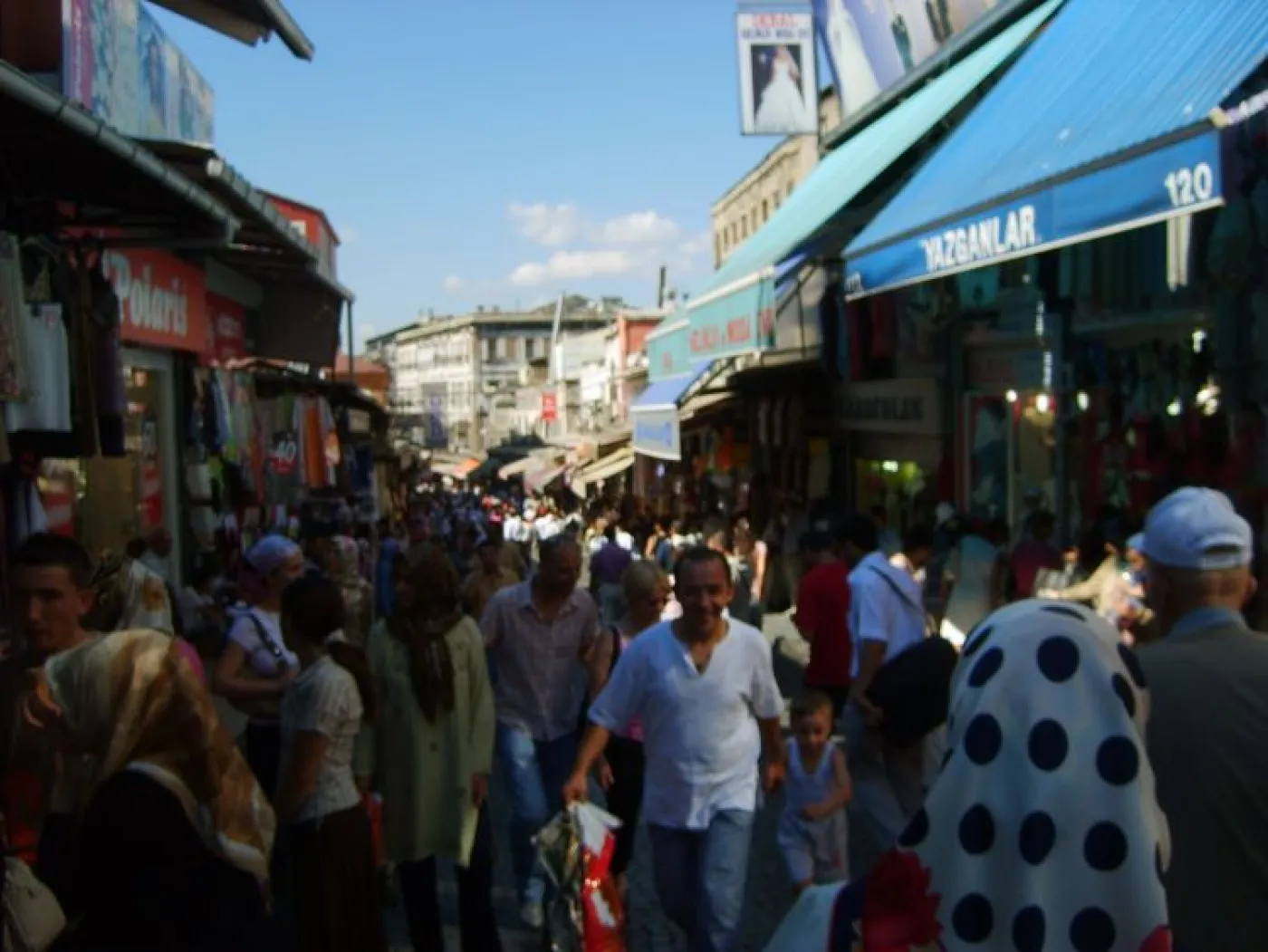
- Stay safe As with most European cities, but especially in crowded areas of Istanbul, watch your pockets and travel documents as pickpockets have devised all sorts of strategies to obtain them from you. Do not rely too much on the 'safe' feeling you get from the omnipresence of police.If prices are not on display, always ask beforehand (even for a tea) instead of just ordering something like in Europe. This can be fatal in Istanbul because tourists are constantly overcharged. Unfortunately, often prices are not on display, like in sweet shops or even restaurants. Skip these places or ask for a price knowing what the approximate or fair price is.Istanbul is home to three of the biggest clubs in Turkey and maybe European football: Beşiktaş, Fenerbahçe, and Galatasaray. It is advisable not to wear colours associating yourself with any of the clubs—black&white, navy&yellow, and red&yellow respectively, particularly on the days of matches between the sides due to the fearsome rivalry they share.In Istanbul, most drivers won't abide any rules. Even if you have priority on a road junction, crosswalk, or even during green light, always be aware of your surroundings. Even if you are in a one way road, check both sides before crossing the road....Read moreStay safe As with most European cities, but especially in crowded areas of Istanbul, watch your pockets and travel documents as pickpockets have devised all sorts of strategies to obtain them from you. Do not rely too much on the 'safe' feeling you get from the omnipresence of police.If prices are not on display, always ask beforehand (even for a tea) instead of just ordering something like in Europe. This can be fatal in Istanbul because tourists are constantly overcharged. Unfortunately, often prices are not on display, like in sweet shops or even restaurants. Skip these places or ask for a price knowing what the approximate or fair price is.Istanbul is home to three of the biggest clubs in Turkey and maybe European football: Beşiktaş, Fenerbahçe, and Galatasaray. It is advisable not to wear colours associating yourself with any of the clubs—black&white, navy&yellow, and red&yellow respectively, particularly on the days of matches between the sides due to the fearsome rivalry they share.In Istanbul, most drivers won't abide any rules. Even if you have priority on a road junction, crosswalk, or even during green light, always be aware of your surroundings. Even if you are in a one way road, check both sides before crossing the road. It is common for Turkish drivers to use shortcuts.A major earthquake with epicenter in the nearby Sea of Marmara is expected within the next few decades, so read the earthquake safety article here before you arrive.ScamsRead less
Note, most of the following summaries are already almost 10 years old. Turkey has changed a lot since then, due to modernization, political uproar, the war in Syria, and many other things. Nowadays, the situation is actually far less fierce as it may seem in these outlines. So, relax! Nevertheless, know and read about them, to be aware. The most important ones are the overpriced night clubs and bars, pickpocketing and overly friendly strangers.
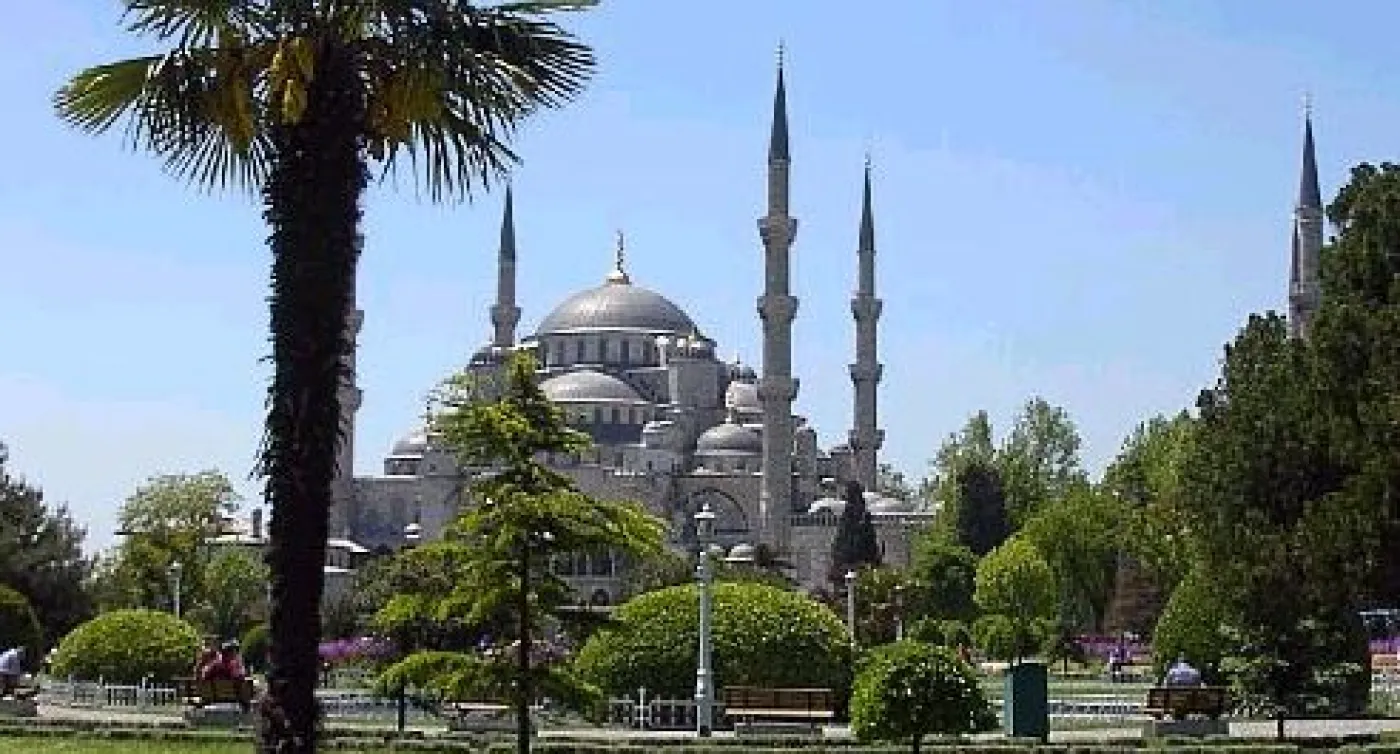
Blue Mosque scam "guides"When walking through the gates of the Blue Mosque, beware of smiling, friendly chaps who offer immediately to be your de-facto guide through the mosque and its surrounds; they'd be pretty informative on just about anything relating to the mosque; etiquette, history and Islamic practices. However, they eventually demand a price for their "services", a fee that can be as high as 50 TL. You would be better off booking a private tour online; or not at all, since the mosque is essentially free to all anyway.
Restaurant scamsA notable scam for convincing tourists to visit overpriced restaurants with mediocre food involves the following:
While walking along, you are overtaken by a Turkish man who claims to recognize you from the hotel at which you are staying (e.g. he will tell you that he works there as a waiter or a receptionist). He will ask where you are going. If you are going out for food, he will recommend a restaurant, claiming that it is where he takes his family or friends when they eat out. He may give you some other advice (e.g. the best time to visit the Topkapi palace) to make the conversation feel genuine and friendly. The restaurant he recommends will almost certainly be mediocre or low quality, and the staff there will try to sell you expensive dishes without you realizing. For instance, they may promote dishes which are marked as 'MP' (market price) on the menu, such as 'salt fish' (fish baked in salt), which may cost over 100 TL. They may also serve you additional dishes which you haven't ordered and then add them to the bill for an additional 25-50 TL, together with extra charges for service and tax. One restaurant that seems to be using this scam to get customers is Haci Baba in Sultanahmet.
Bar and club scamsHigh-drink price scams encountered in so-called night-clubs mostly located in Aksaray, Beyazit and Taksim areas. These clubs usually charge overpriced bills, based on a replica of the original menu, or simply on the menu that had been standing upside down on the table. Two or three drinks can already produce a fantasy bill that easily exceeds 1,000 TL.
Also be aware of friendly behaving groups of young men or male-female couples striking up a conversation in the street and inviting you to a "good nightclub they know". This has frequently been reported as a prelude to such a scam. The people in on the scam may offer to take you to dinner first, in order to lower your suspicions. Another way they will try to lure you in is by talking to you in Turkish, and when you mumble back in your language they will be surprised you're not Turkish and immediately will feel the urge to repay you for their accident with a beer.
Another variant of this involves an invitation in Taksim to male tourists to buy them beer (as they were "guests"). At the club, attractive women, also with beers, join them. When the bill comes, the person inviting the tourists denies having said he would pay for the drinks, and a large bill is presented, e.g. for 1500 TL; when the tourists object, burly "security" personnel emerge to accompany the tourists to an ATM (presumably to clean out their bank account). Any bar that looks like it could be a strip club is more than likely a scam joint.
In either of these scams, if you refuse to pay the high prices or try to call the police (dial #155) to file a complaint, the club managers may use physical intimidation to bring the impasse to a close. If you find yourself in such a situation for any reason, you should do whatever they want you to do, pay the bill, buy the things they are forcing you to buy, etc. Try to get out of the situation as soon as possible, go to a safe place and call the police.
Metro Scams and TheftEach metro station has an insufficient amount of fare machines relative to their ridership, and only carry a handful of Istanbul cards. Scam artists camp out here (especially at Taksim Metro), offering to help you buy a ticket only to show you that the machine has run out of reusable metro cards. They will then ask you where you're from, and offer to sell you a card loaded with 100 TRY, for 100-125 TRY as a helpful gesture. When you commence your metro trip, you will learn that the card only contains half or a quarter of that amount. If the machine is not working, you should look for an authorized point of sale near the station, such as a shop or another machine, not the helpful stranger with a dozen cards for sale.
These areas are also prone to pickpocketing because they are chaotic and frequented by tourists. The pickpocketing is generally unrelated to the scam artist operations. You should be especially careful to place your wallet in your front pocket here and to be mindful of your belongings. If someone touches you or places their hand on your shoulder at any point while in or near the Metro system, you are being pickpocketed and you should immediately turn in an unexpected direction, especially if you have belongings in your back pocket.
To avoid these instances at the Taksim Metro where these issues are especially common, buy your tickets or Istanbul Card at the lone fare machine on the bus level.
Water scamsAlso be wary of men in Taksim who splash water on the backs of your neck. When you turn around, they will try to start a fight with you as another man comes in and robs you. These men tend to carry knives and can be very dangerous.
Lira/euro scamsA frequent scam, often in smaller hotels (but it can also happen in a variety of other contexts), is to quote prices in lira and then later, when payment is due, claim the price was given in euros. Hotels which reject payment early in a stay and prefer you to "pay when you leave" should raise suspicions. Hotels which operate this scam often offer excellent service and accommodation at a reasonable price and know most guests will conclude as much and pay without complaint - thus this can be a sign of a good hotel.
Another scam is coin-related and happens just as you're walking into the streets. A Turkish guy holds you and asks where you are from. If you mention a euro-country, the guy wants you to change a €50-note from you into €2-coins he is showing. He is holding the coins stack-wise in his hands. For the trouble, he says he will offer you '30 €2-coins, making €60 in total'. Do not agree with this exchange of money, as the first coin is indeed a €2-coin, but (many of) the rest of the coins will probably be 1-lira coins (looking very similar), but worth only 1/4 of the value of €2.
Many bars in the Taksim area give you counterfeit bills. They are usually well-made and hard to identify as fakes in the dark. One way to verify a bill's authenticity is to check its size against another one. Another is to hold the bill up to a strong light, face side up, and check for an outline of the same face which is on the bill. The value of the bill (20, 50, etc.) should appear next to the outline, light and translucent. If either of these two security features are missing, try to have the bill changed or speak to the police.
Some taxi drivers agree on a price only to tell you your lira bills are counterfeit, or invalid, or have a wrong serial number. This is a scam to have you paying in Euro or USD, usually for a much higher price since they'll claim they don't have change.
ShoebrushSome men will walk around Taksim (or other tourist-frequented areas) with a shoeshine kit, and the brush will fall off. This is a scam to cause some Western tourist with a conscience to pick it up and return it to the owner, who will then express gratitude and offer to shine your shoes for free. While doing that, he will talk about how he is from another city and how he has a sick child. At the end, the shiner will demand a much higher price for the "free" services provided than is the actual market norm. A similar trick is to ask for a cigarette and proceed similarly.
If you actively decide that you would like your shoes shined, then expect to pay not more than 5 TL for both.
Taxi driversTaxis are plentiful in Istanbul and inexpensive by Western European and American standards. They can be picked up at taxi hubs throughout the city or on the streets. Empty cabs on the streets will honk at pedestrians to see if they would like a ride, or cabs can be hailed by pedestrians by making eye contact with the driver and waving. Few taxi drivers speak languages other than Turkish, but do a fair job at deciphering mispronounced location names given by foreign riders. It is advisable to have the name of the destination written down and try to have a map beforehand to show the driver, to avoid any misunderstanding and also potential scams. Though taxis are plentiful, be aware that taxis are harder to find during peak traffic hours and traffic jams and when it is raining and snowing. They are also less frequent during nights, depending on the area and are hard to find after midnight.
Try to avoid using taxis for short distances (5–10 minutes of walk) if possible. Some taxi drivers can be annoyed with this, especially if you called the cab from a taxi hub instead of hailing it from the street. If you want taxis for short distances, just hail them from the street, do not go to the taxi hub.
Few taxis have seatbelts, and some drivers may seem to be reckless. If you wish for the driver to slow down, say "yavash lütfen" (slow please). Your request may or may not be honored.
As in any major city, tourists are more vulnerable to taxi scams than locals. Be aware that taxi drivers use cars affiliated with a particular hub, and that the name and phone number of the hub, as well as the license plate number, are written on the side of each car. Noting or photographing this information may be useful if you run into problems. In general, riding in taxis affiliated with major hotels (Hilton, Marriot, Ritz, etc.) is safe, and it is not necessary to stay in these hotels to use a taxis leaving from their hubs.
Others may take unnecessarily long routes to increase the amount due (although sometimes alternate routes are also taken to avoid Istanbul traffic, which can be very bad). Some scams involve the payment transaction; for example, if the rider pays 50 TL when only 20 TL are needed, the driver may quickly switch it with a 5 TL note and insist that the rest of the 20 TL is still due or may switch the real bill for a fake one and insist that different money be given.
Methods to avoid taxi scams:
1. Sit in the front passenger seat. Watch the meter. Watch the driver's actions (beeping the horn, pumping the brakes, etc.) and note what the taximeter does. While it is rare, some drivers will wire parts of their controls to increase the fare upon activation. If you're with your significant other, do it anyway. Save the cuddling for after the ride. Check if the seal on the taximeter is broken. Use your phone for light. This will make the driver realize that you are cautious. For women it is better to sit in the back seat (where you can see the meter from the middle), as there are occasionally problems with taxi drivers getting overly friendly, and sitting in the front is a sign that a woman welcomes such behavior.
2. Ask "How much to go to...?" (basic English is understood), before getting in the taxi. Price will be quite accurate to the one in the taximeter at the end of the ride. If the price sounds ok for you, get in the cab and tell them to put the Taximeter on. The rate they are applying is same during night and day.
3. Know the route. If you have a chance, find a map and demand that the driver take your chosen route to the destination. Oftentimes they will drive the long way or pretend not to know where you're going in order to get more money out of you. If the driver claims not to know the route to a major landmark or gathering place, refuse his services as he is likely lying.
4. Choose an elderly driver. Elderly taxi drivers are less likely to cheat passengers.
5. Let taxi driver see money on your hands and show values and take commitment on it. This is 50 lira. OK? Take this 50 lira and give 30 lira back OK?. This guarantees your money value. Otherwise, your 50 lira can be 5 lira immediately on his hands. Try to have always 10 lira or 20 lira bills in your wallet. This makes money scams in general more difficult. If you realize that the driver tried to use the 50 lira to 5 lira trick on you, call the police (#155) immediately and write down the license plate. If a driver claims not to have change, you may want to consider sitting in the taxi and pointing to a nearby shop to have them break their bills there. This will usually cause them to magically find the necessary change, or frustrate them into accepting a lower fare.
6. Create a big scene if there is a problem. If you are absolutely positive you have been subject to a scam, threaten to or call the police and, if you feel it will help, start yelling. Taxi drivers will only rip off those they think will fall for it; creating a scene draws attention to them and will make it easier to pay the correct rate.
OverpricingWatch the menu carefully in street cafes for signs that prices are not discriminatory — if prices are clearly over-inflated, simply leave. A good indication of over inflation is the circulation of two different types of menu — the "foreigner" menu is typically printed on a laminated card with menu prices written in laundry marker/texta, i.e., prices not be printed; in these cases, expect that prices for foreigners will be highly inflated (300% or higher).
While this is not really a problem in Beyoğlu or Ortaköy, avoiding the open air cafes toward the rear courtyard of the Spice Bazaar (Sultanahmet) is wise. The area immediately north of the Spice Bazaar is also crawling with touts for these 'infamous' cafes.
Having nargile (water pipe) is a famous activity in Istanbul,Tophane (top-hane) is a famous location for this activity where a huge number of nargile shops are available and can easily be reached by the tram, avoiding a place called "Ali Baba" in Tophane is wise, usually you will be served there with plates you did not ask for like a nuts plate, and expect to have a bill of around US$50 for your nargile!
StalkingMen intent on stalking foreign women may be present in tourist locations. Such men may presume that foreigners have a lot of money or liberal values and may approach foreign women in a flirtatious or forward manner looking for sex or for money (either by theft or selling over-priced goods). If you are being harassed, use common sense and go to where other people are; often this is the nearest store. Creating a public scene will deter many stalkers, and these phrases may be useful in such cases:
İmdat! – "Help!" Ayıp! – "Rude!" Bırak beni! – "Leave me alone!" Dur! – "Stop!" Gider misin?! – "Will you go?!"Or to really ruin him:
Beni takip etme! – "Stop stalking me!" Polisi arıyorum – "I'm calling the cops!"Occasionally try not to use Turkish as the stalker will like it more, just scream and run and find a safer place with crowd and police.
Tourism PoliceIstanbul PD has a "Tourism Police" department where travelers may report passport loss and theft or any other criminal activity by which they are victimized. They have an office in Sultanahmet and can reportedly speak English, German, French, and Arabic.
Tourism Police (Turizm Polisi), Yerebatan Caddesi 6, Sultanahmet (in the yellow wooden building between Hagia Sophia and the entrance of Basilica Cistern, few meters away from each), ☏ +90 212 527 45 03, fax: +90 212 512 76 76.